Abrams intuì che l'essere umano non poteva essere osservato soltanto come un insieme di organi, tessuti e funzioni biochimiche, ma anche come un sistema dinamico attraversato da informazioni, risonanze e frequenze. La sua ricerca partiva da un principio centrale: ogni organismo, ogni organo e ogni condizione di squilibrio possiederebbero una propria impronta vibrazionale. La salute, in questa visione, non è soltanto assenza di malattia, ma armonia tra i diversi livelli dell'essere.
Albert Abrams: un precursore della visione energetica
Albert Abrams nacque nel XIX secolo e si formò come medico in un'epoca in cui la medicina ufficiale stava compiendo enormi passi avanti, ma al tempo stesso iniziava a confrontarsi con fenomeni sottili non ancora pienamente spiegati. La scoperta delle onde elettromagnetiche e delle radiazioni invisibili aprì nuove prospettive: ciò che non si vedeva poteva comunque esistere, agire e produrre effetti.
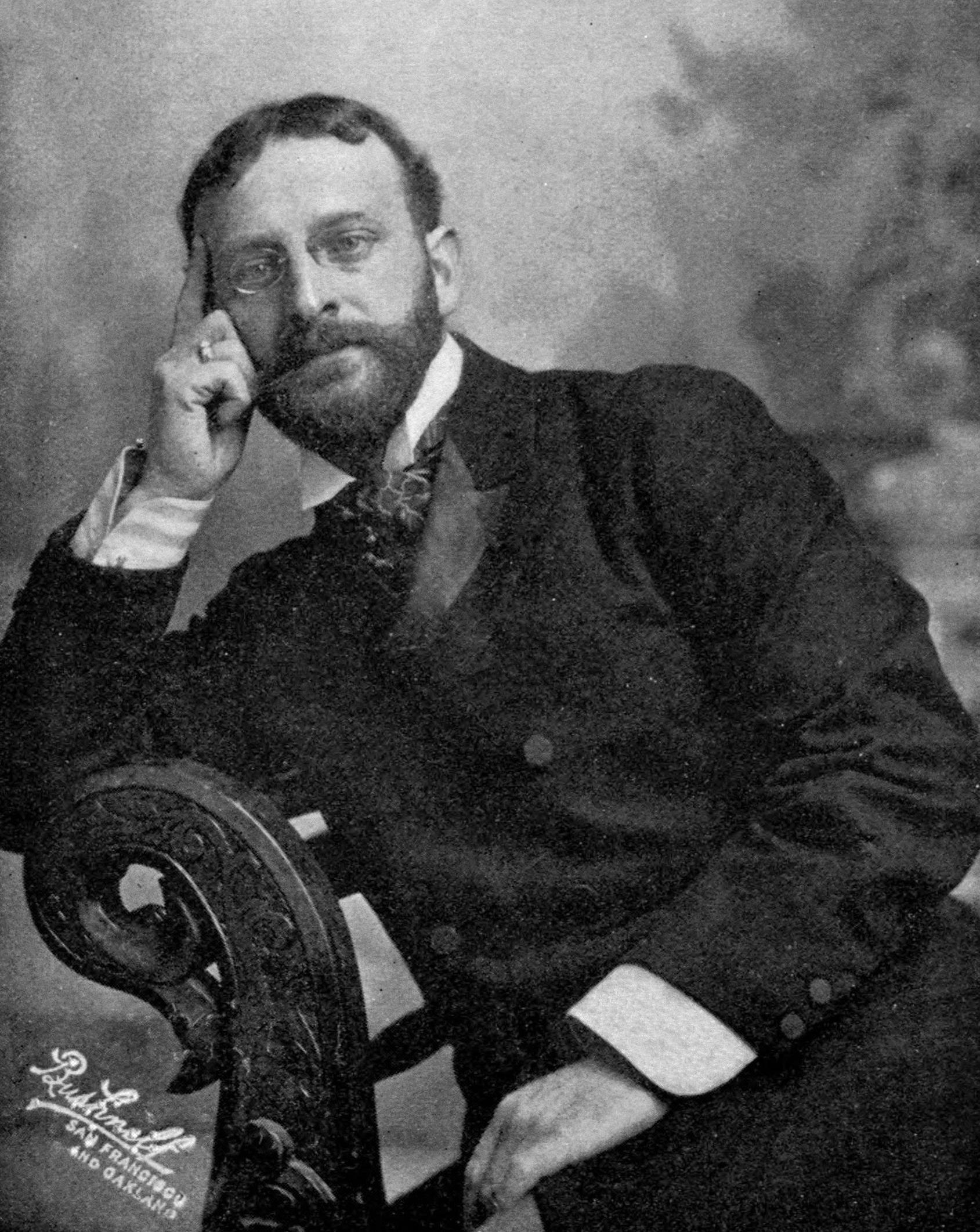
"Non è necessario percepire una calamita per rilevarne l'energia, né una dinamo per misurare una corrente elettrica."
Albert Abrams, The Electronic Reactions of Abrams
Da questa sensibilità nacquero le ricerche di Abrams sulle cosiddette reazioni elettroniche. Egli sosteneva che il corpo umano potesse essere letto come un campo di informazioni e che determinati squilibri potessero manifestarsi attraverso specifiche risonanze. Per studiare questi fenomeni sviluppò strumenti e apparecchiature radioniche, tra cui il celebre Dynamizer e l'Oscilloclast, pensati per rilevare e riequilibrare frequenze sottili.
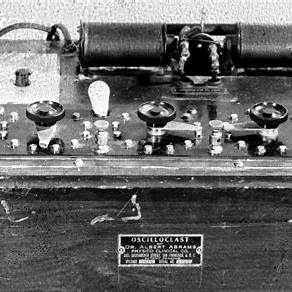
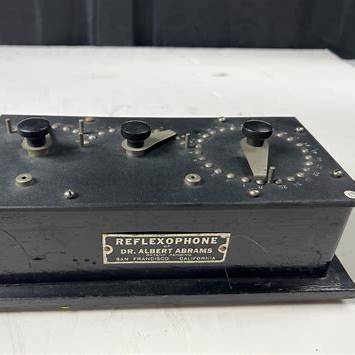
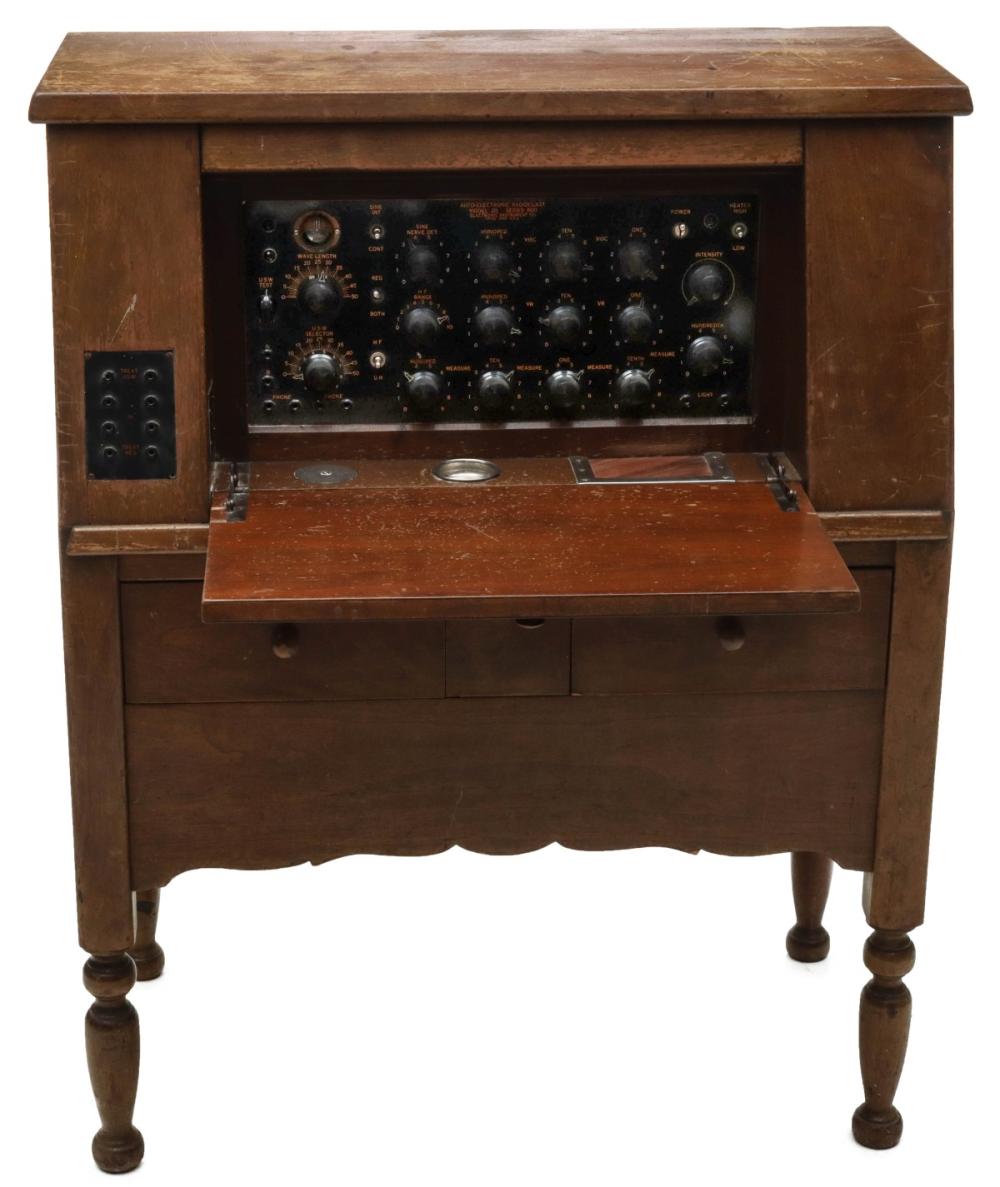
Sebbene le sue teorie siano state discusse e contestate nel tempo, Abrams rimane una figura fondamentale per chi si occupa di radionica, medicina vibrazionale e approcci energetici alla salute. Il suo merito principale fu quello di aprire una strada: considerare l'organismo non solo come materia, ma come sistema informazionale.
Che cos'è la radionica
La radionica è una disciplina che si basa sull'idea che ogni essere vivente possieda un campo energetico-informazionale. Secondo questa visione, ogni persona, animale, pianta, organo o sostanza emette una particolare qualità vibrazionale. Quando questa armonia si altera, possono manifestarsi squilibri a vari livelli: fisico, emotivo, mentale o ambientale.
Lo scopo della radionica è individuare tali squilibri e favorire un processo di riequilibrio attraverso strumenti, simboli, frequenze, intenzione focalizzata e tecniche di risonanza. L'operatore radionico lavora spesso con un "testimone", cioè un elemento rappresentativo del soggetto: una fotografia, una ciocca di capelli, un nome scritto, una data di nascita o un altro collegamento simbolico-informazionale.
Questo aspetto è uno dei più caratteristici della radionica: il lavoro non richiede necessariamente la presenza fisica della persona. Nella prospettiva radionica, il testimone permette di stabilire un collegamento con il campo informazionale del soggetto, rendendo possibile un'analisi e un trattamento anche a distanza.
La radionica come arte della risonanza
Per comprendere la radionica bisogna avvicinarsi al concetto di risonanza. Due strumenti musicali accordati sulla stessa nota possono vibrare insieme anche se non si toccano direttamente. In modo analogo, la radionica considera l'universo come una rete di connessioni sottili, in cui ogni elemento comunica attraverso frequenze e informazioni.
L'operatore radionico non agisce in modo meccanico, ma come facilitatore di un processo di armonizzazione. Attraverso strumenti radionici, scale numeriche, quadranti, pendoli o dispositivi specifici, egli ricerca le frequenze di squilibrio e seleziona le informazioni più adatte a riportare ordine nel sistema.
In questa prospettiva, la radionica non lavora "contro" il sintomo, ma cerca di ristabilire una coerenza più profonda. Il sintomo viene visto come un segnale, una manifestazione esterna di una disarmonia che può avere radici energetiche, emozionali, mentali o ambientali.
Radionica, intenzione e informazione
Uno degli elementi più affascinanti della radionica è il ruolo dell'intenzione. L'intenzione non viene intesa come semplice desiderio, ma come atto cosciente, focalizzato e ordinatore. L'operatore radionico orienta la propria attenzione verso un obiettivo di riequilibrio, utilizzando strumenti e protocolli come supporti per canalizzare l'informazione.
Per questo motivo la radionica è spesso definita una disciplina di confine tra scienza, arte e spiritualità. Utilizza strumenti, mappe e procedure, ma richiede anche sensibilità, ascolto e presenza interiore. Non è soltanto una tecnica, ma un modo diverso di osservare la realtà: non più separata, frammentata e puramente materiale, ma interconnessa e intelligente.
Applicazioni della radionica
Nel tempo la radionica è stata applicata in diversi ambiti. Oltre al lavoro sulla persona, molti operatori la utilizzano anche per il benessere degli animali, l'armonizzazione degli ambienti, il riequilibrio energetico delle abitazioni e il sostegno alle coltivazioni.
In agricoltura radionica, ad esempio, si lavora sul campo informazionale del terreno, delle piante e dell'ambiente circostante. L'obiettivo è favorire vitalità, equilibrio e armonia naturale. In ambito ambientale, invece, la radionica può essere utilizzata per individuare interferenze sottili, geopatie o disarmonie energetiche presenti in uno spazio.
Queste applicazioni mostrano come la radionica non sia limitata alla dimensione individuale, ma si inserisca in una visione più ampia dell'ecosistema. Uomo, natura e ambiente vengono considerati parti di un'unica rete vivente.
Una disciplina da conoscere con apertura e responsabilità
La radionica, come molte discipline energetiche, richiede uno sguardo aperto ma anche responsabile. Non va presentata come sostituto della medicina convenzionale, soprattutto in presenza di patologie o condizioni che richiedono diagnosi e cure mediche. Può però essere considerata, da chi la pratica e da chi la riceve, come un percorso complementare di ascolto, riequilibrio e consapevolezza.
Il suo valore non sta soltanto negli strumenti utilizzati, ma nella visione che propone: l'essere umano come unità di corpo, mente, energia e informazione. In un'epoca in cui sempre più persone cercano approcci integrati al benessere, la radionica offre una prospettiva antica e moderna allo stesso tempo, capace di dialogare con il bisogno profondo di armonia.
L'eredità di Albert Abrams
Albert Abrams rimane una figura pionieristica. Le sue intuizioni hanno ispirato generazioni di ricercatori, terapeuti energetici e operatori radionici. Anche se la sua opera è stata oggetto di dibattito, il nucleo della sua visione continua a essere attuale: l'organismo umano non è soltanto materia, ma vibrazione, relazione e informazione.
La radionica contemporanea ha ampliato e trasformato molte delle idee originarie di Abrams, integrandole con nuovi strumenti, simboli, conoscenze sottili e pratiche di riequilibrio. Tuttavia, il principio di fondo resta lo stesso: ogni essere vivente possiede una propria frequenza, e il benessere nasce dall'armonia tra le parti.
Studiare Abrams significa quindi tornare alle origini di una ricerca coraggiosa, nata dal desiderio di esplorare l'invisibile e di comprendere l'essere umano in modo più ampio. La radionica continua oggi questo percorso, invitandoci a guardare oltre la superficie delle cose e a riconoscere che la realtà è fatta anche di connessioni sottili, risonanze e informazioni.
In conclusione, la radionica non è soltanto una tecnica, ma una visione del mondo. È l'arte di ascoltare ciò che non sempre è percepibile dai sensi ordinari, ma che può manifestarsi attraverso equilibrio, vitalità e armonia. L'eredità di Albert Abrams vive proprio in questa intuizione: dietro ogni forma visibile esiste un campo di informazioni, e lavorare su quel campo significa aprire nuove possibilità di consapevolezza e riequilibrio.