Abbiamo visto nella puntata precedente che parlare semplicemente del “proprio raggio” è riduttivo: nel sistema di Bailey dobbiamo considerare almeno il raggio dell'anima, quello della personalità e quelli dei diversi veicoli attraverso i quali la personalità si esprime. Psicologia Esoterica II, pubblicato nel 1942, è diviso in tre grandi capitoli:
- Il Raggio Egoico — la crescita dell'influenza dell'anima, le sette Leggi dell'Anima, i cinque gruppi di anime e le regole per indurre il controllo dell'anima.
- Il Raggio della Personalità — l'appropriazione dei corpi, le tecniche di integrazione, fusione e dualità, i problemi psicologici e quelli dei mistici e dei discepoli.
- L'Umanità Oggi — la situazione mondiale, il Nuovo Gruppo dei Servitori del Mondo e i cosiddetti Grandi Approcci.
Se il primo volume ci ha fornito la mappa dei raggi, questo secondo ci mostra soprattutto che cosa accade quando quelle energie cominciano a incontrarsi, scontrarsi, coordinarsi e infine integrarsi nell'essere umano. Ed è proprio qui che il discorso diventa particolarmente interessante per chi pratica radiestesia e radionica.
Non basta sapere “qual è il mio raggio”
Uno degli errori più facili, quando ci si avvicina ai Sette Raggi, è trasformarli in una specie di oroscopo esoterico: qual è il mio raggio? sono un secondo raggio? sono un settimo raggio? Ma il sistema descritto da Bailey è molto più complesso. La domanda più utile non è soltanto quali raggi sono presenti, bensì come stanno lavorando insieme.
Una persona può avere determinate qualità mentali, altre emotive, altre ancora sul piano fisico; può avere una personalità fortemente orientata in una direzione e un raggio dell'anima che tende a condurla verso un'altra. Per Bailey il processo evolutivo consiste proprio nel progressivo coordinamento di queste energie: prima i diversi aspetti della personalità imparano a funzionare insieme, poi la personalità integrata entra sempre più sotto l'influenza dell'anima. Tradotto nel nostro linguaggio: in radionica non dovremmo limitarci a cercare quale energia manca, ma osservare la relazione fra le energie già presenti.
Capitolo I — Il Raggio Egoico: la crescita dell'influenza dell'anima
Prima di tutto occorre chiarire una parola. Quando Bailey utilizza il termine Ego non parla dell'ego nel significato comune o nella psicologia moderna: nel suo linguaggio l'Ego è essenzialmente l'anima, il Sé superiore.
Uno dei concetti centrali del volume è che il raggio della personalità e quello dell'anima non agiscono semplicemente uno accanto all'altro: interagiscono. In una prima fase la personalità domina l'esperienza; successivamente l'influenza dell'anima comincia a farsi sentire e nasce un conflitto fra due orientamenti differenti. Bailey descrive il processo come una lenta diminuzione del predominio del raggio della personalità e una progressiva affermazione del raggio dell'anima. Alla fine la personalità non viene distrutta: diventa il mezzo attraverso il quale la qualità dell'anima può esprimersi. La personalità non è il nemico dell'anima: è il suo possibile strumento.
Prima di parlare di fusione con l'anima deve però esserci una personalità sufficientemente integrata: corpo, emozioni e mente devono imparare a funzionare in modo relativamente coordinato. Dal punto di vista radiestesico questo suggerisce già due ricerche completamente diverse fra loro: quanto sono integrate fra loro le componenti della personalità? e quanto la personalità è coerente con l'orientamento dell'anima?
Le sette Leggi dell'Anima
Una parte molto importante del libro è dedicata alle Sette Leggi dell'Anima o della Vita di Gruppo. Le riassumo qui in forma semplificata, accompagnandole con la domanda radiestesica che ciascuna suggerisce.
- 1Legge del Sacrificio — la parola crea facilmente equivoci: non significa cercare sofferenza o privazione, ma superare progressivamente la centralità dell'io separato. L'energia non è più utilizzata esclusivamente per io, mio, ciò che voglio io. Domanda: quanto questa situazione è condizionata dall'interesse esclusivamente personale?
- 2Legge dell'Impulso Magnetico — relazione, attrazione e unione; Bailey la chiama anche legge dell'unione polare e la collega al rapporto fra anime e fra gruppi. Non è una semplice legge di “attrazione” personale. Domanda: quale relazione deve essere riconosciuta o riequilibrata? — fra anima e personalità, mente ed emozioni, individuo e gruppo, intenzione e azione.
- 3Legge del Servizio — il servizio occupa una posizione centrale in tutto il pensiero di Bailey, che però distingue il servizio autentico da attività motivate da fanatismo, desiderio di approvazione o bisogno di sentirsi indispensabili. Domanda che ogni operatore dovrebbe porsi prima di lavorare: la mia intenzione è realmente orientata al bene della persona, o sto cercando di imporre il risultato che io ritengo giusto?
- 4Legge della Repulsione — il nome sembra negativo, ma indica la forza che permette di rifiutare, disperdere o lasciare ciò che ostacola un movimento evolutivo; è collegata alla discriminazione, quindi una legge di separazione intelligente. Domanda: c'è qualcosa che deve essere lasciato andare? — un'abitudine, una convinzione, un attaccamento, un modello emotivo, una relazione diventata disfunzionale. Il pendolo non dovrebbe però prendere decisioni importanti al posto della persona: può indicare una direzione da osservare.
- 5Legge del Progresso di Gruppo — il centro d'interesse si sposta dall'individuo al gruppo: la crescita della coscienza non è soltanto perfezionamento individuale, ma capacità di funzionare come parte di un insieme. Per chi lavora con gruppi, famiglie o ambienti l'idea più utile è che unità non significa uniformità: una buona armonizzazione permette alle componenti diverse di funzionare meglio insieme, non di diventare uguali.
- 6Legge della Risposta Espansiva — su questa legge Bailey sceglie deliberatamente di dire poco, presentandola come comprensibile appieno soltanto a livelli iniziatici. Preferisco non inventare spiegazioni che il testo non fornisce; ne conservo però la chiave simbolica contenuta nel nome: la possibilità che la coscienza diventi capace di rispondere a un campo progressivamente più grande.
- 7Legge dei Quattro Inferiori — anche questa resta quasi completamente in forma simbolica: Bailey fornisce una breve stanza occulta e dice esplicitamente che non sarebbe utile interpretarla troppo dettagliatamente.
Quest'ultimo punto è metodologicamente importante. Quando un autore esoterico dichiara di non fornire una spiegazione, non ha molto senso inventarla noi e poi attribuirgliela.
I cinque gruppi di anime: una sezione da leggere con prudenza
Questa è una delle parti più particolari e anche più problematiche del libro. Bailey divide le anime, secondo la propria cosmologia esoterica, in cinque grandi provenienze: Ego lemuriani; Ego entrati durante il periodo atlantideo; Ego provenienti dalla cosiddetta “catena lunare”; Ego provenienti da altri pianeti; e rari Ego avanzati in attesa di incarnazione.
Qui occorre fermarsi. Non stiamo parlando di antropologia, archeologia o scienza. Bailey stessa, introducendo l'argomento, afferma che si tratta di realtà scientificamente non dimostrabili con i mezzi ordinari e, più avanti, definisce alcune di queste indicazioni impossibili da verificare per lo studente. È una precisazione importante proprio perché stiamo cercando di studiare seriamente il suo sistema.
Questa sezione contiene categorie razziali ed evoluzionistiche proprie della Teosofia dell'epoca, con giudizi sulle popolazioni che oggi risultano chiaramente datati e privi di fondamento nella moderna conoscenza antropologica. Non è necessario cancellare questa parte del libro: bisogna semplicemente sapere che cosa stiamo leggendo e in quale contesto storico è stato scritto.
I dieci stadi della coscienza
All'interno della stessa sezione Bailey introduce però un secondo schema molto interessante: dieci grandi condizioni o stadi della coscienza umana che, semplificati e separati dalle classificazioni razziali dell'epoca, possono essere riassunti così.
- Coscienza quasi dormiente.
- Predominanza della vita fisica e della sensazione.
- Risveglio emotivo e psichico.
- Predominanza della natura emotiva.
- Intelligenza in sviluppo, ma ancora fortemente condizionata dalle emozioni.
- Persona prevalentemente mentale, capace di lavorare con le idee e di cominciare a comprendere il servizio.
- Mistico cosciente della propria dualità interiore.
- Mistico pratico o occultista, nel linguaggio di Bailey.
- Coscienza iniziatica orientata verso l'unità dell'anima.
- Condizione attribuita ai cosiddetti Maestri o adepti.
Non utilizzerei mai questa scala con il pendolo per chiedere a che livello evolutivo sono?: è una domanda perfetta per alimentare l'autosuggestione. Trovo invece utile il principio che sta dietro alla classificazione: la stessa energia può essere espressa in modi molto diversi secondo il livello di integrazione della persona. Un sesto raggio, ad esempio, non significa automaticamente spiritualità: può esprimersi come idealismo, devozione e dedizione, ma anche come fanatismo e rigidità. La qualità energetica non basta; conta come viene utilizzata.
Le sette Regole per indurre il controllo dell'anima
Bailey passa quindi a sette grandi tendenze che chiama “regole”, anche se non sono esercizi nel senso comune. Questa parte del libro si presta molto bene a essere trasformata in una ricerca radiestesica.
- Sintesi — la tendenza a riunire ciò che appare separato. Il problema attuale richiede maggiore integrazione?
- Visione — la capacità di percepire qualcosa oltre la situazione immediata: non fantasia incontrollata, ma capacità di vedere un significato più ampio.
- Piano — la capacità di tradurre una visione in direzione. Qui si distinguono bene intuizione e azione: posso percepire una possibilità con chiarezza e non avere ancora costruito il modo per realizzarla.
- Vita creativa — l'immaginazione come forza capace di costruire forme. Per un radionico è un punto centrale, perché riguarda il passaggio idea → immagine → forma.
- Analisi — Bailey non la considera qualcosa di negativo, ma una facoltà necessaria. Il problema nasce quando diventa separazione, critica continua o incapacità di vedere l'insieme.
- Idealizzazione — la capacità di percepire un ideale e dirigersi verso di esso; può però diventare proiezione e fanatismo.
- Dualità — l'interazione fra opposti, dalla quale può emergere una terza condizione. È una chiave estremamente utile anche radiestesicamente: non sempre dobbiamo scegliere A oppure B; talvolta il lavoro consiste nel trovare la condizione che integra entrambi.
Capitolo II — Il Raggio della Personalità: i tre Tocchi dell'anima
Il secondo capitolo è la parte del volume che considero più interessante per il lavoro radiestesico e radionico, perché Bailey passa definitivamente dalla descrizione delle energie alla descrizione dei loro rapporti. Uno degli schemi più chiari è quello dei tre “tocchi” attraverso i quali viene descritto il rapporto fra anima e personalità, associati rispettivamente al piano fisico, astrale e mentale.
- Tocco di Appropriazione — l'anima “prende possesso”, nel linguaggio esoterico di Bailey, del proprio strumento: è il primo rapporto fra coscienza e forma.
- Tocco di Acquiescenza — la personalità, attraverso esperienza e conflitto, arriva a riconoscere qualcosa di superiore alla propria volontà immediata. Compare la dualità: personalità da una parte, anima dall'altra.
- Tocco di Illuminazione — il rapporto passa soprattutto attraverso la mente e si crea una possibilità più cosciente di allineamento fra personalità e anima.
Anche qui non trasformerei questi concetti in un test del tipo ho raggiunto l'Illuminazione? Possiamo invece chiedere: quale dinamica descrive meglio il momento che sto osservando — appropriazione, conflitto e accettazione, oppure progressivo allineamento? È molto più utile.
I raggi dei tre veicoli
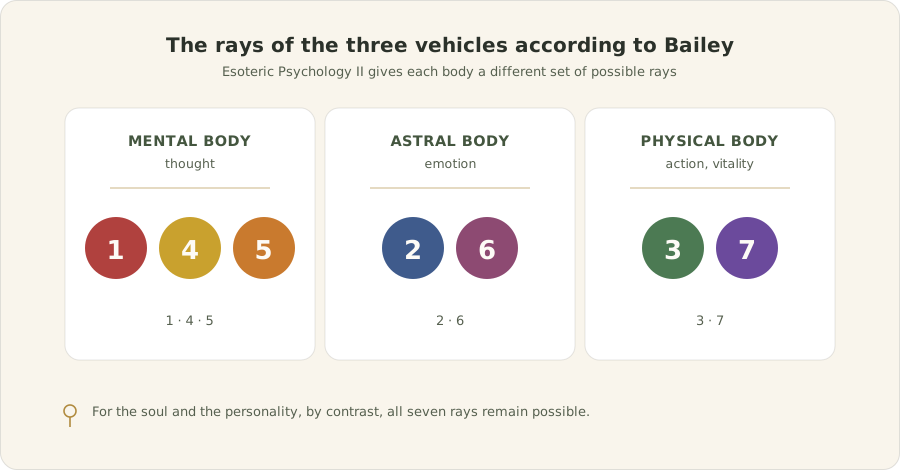
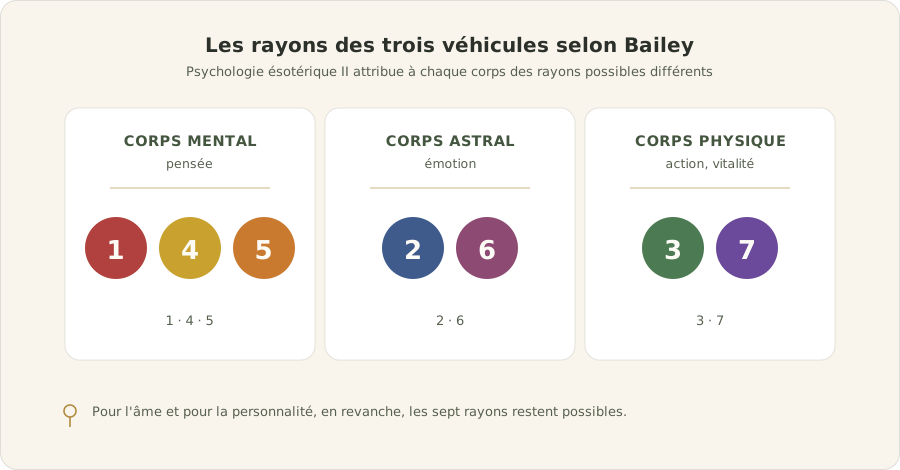
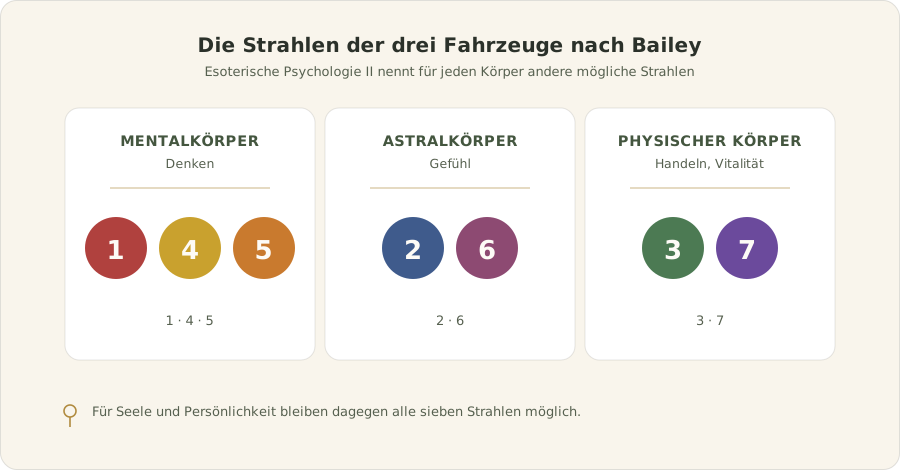
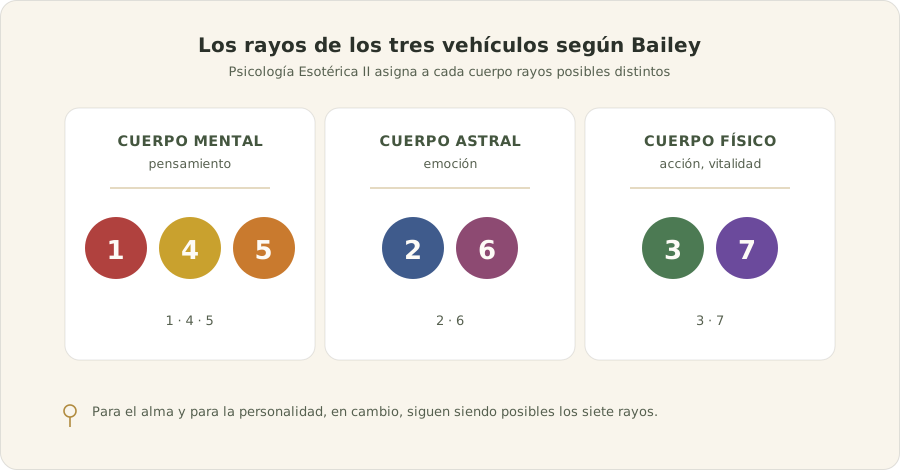
Qui troviamo una delle indicazioni più pratiche del libro. Bailey afferma esplicitamente che il corpo mentale può esprimere i raggi 1, 4 e 5; il corpo astrale i raggi 2 e 6; il corpo fisico i raggi 3 e 7. Per l'anima e per la personalità restano invece possibili tutti e sette. Questo ci permette, almeno in teoria, di costruire quadranti radiestesici più precisi.
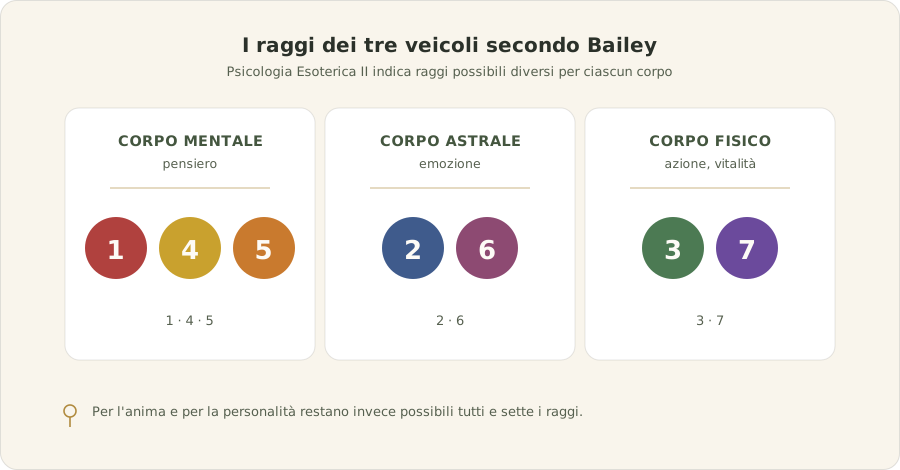
Però qui ho trovato un'incongruenza che è giusto segnalare. Nello stesso volume Bailey presenta un esempio ipotetico di costituzione umana nel quale assegna al corpo fisico il secondo raggio, nonostante poche pagine prima e dopo affermi la regola 3/7. Potrebbe trattarsi di un'eccezione, di un problema della tabella o di una contraddizione interna al testo: non trovo corretto nasconderlo.
Perciò, nel mio lavoro radiestesico, utilizzo la sequenza mentale 1/4/5, astrale 2/6, fisico 3/7 come schema principale indicato esplicitamente da Bailey, senza però trasformare questa tabella in un dogma. Possiamo anche fare una verifica interessante: prima utilizzare soltanto i raggi indicati da Bailey, poi, in una seduta separata, utilizzare tutti e sette, e verificare se il risultato rimane coerente. Questa, per me, è vera sperimentazione radiestesica.
Dall'integrazione alla fusione: le tecniche dei sette raggi
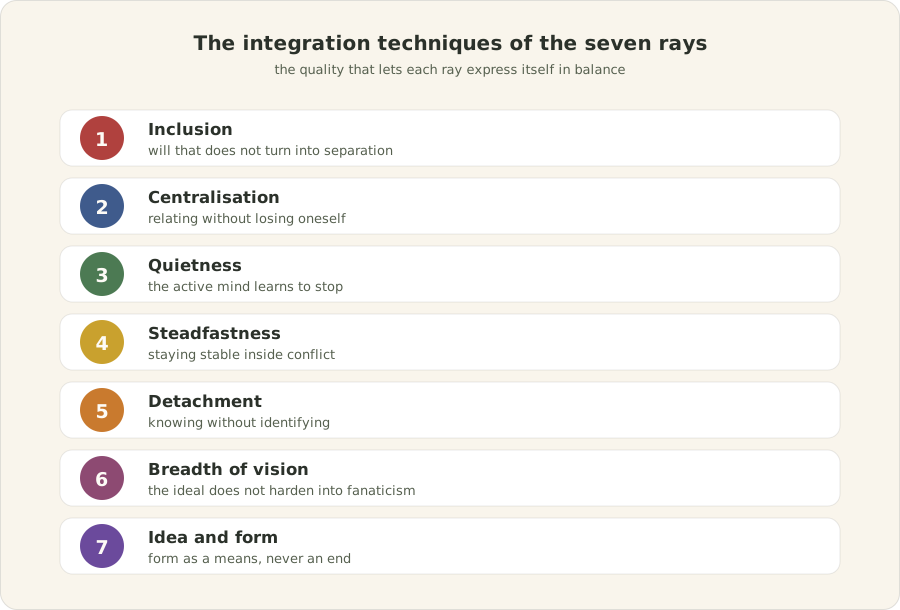
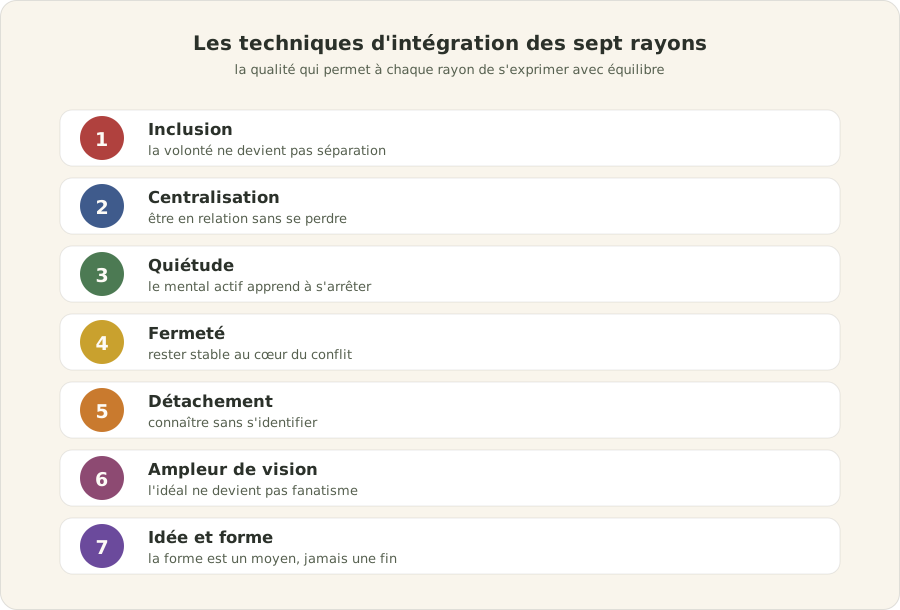
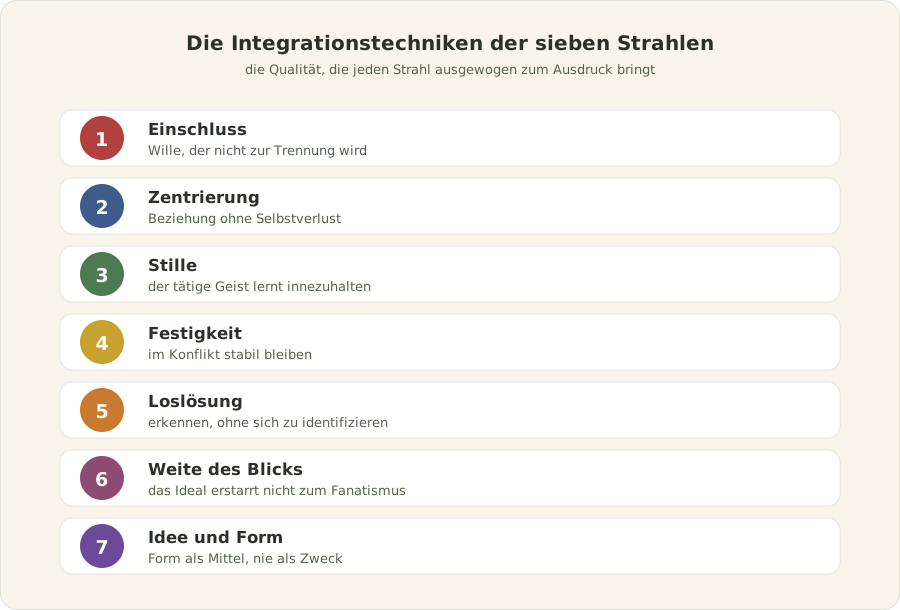
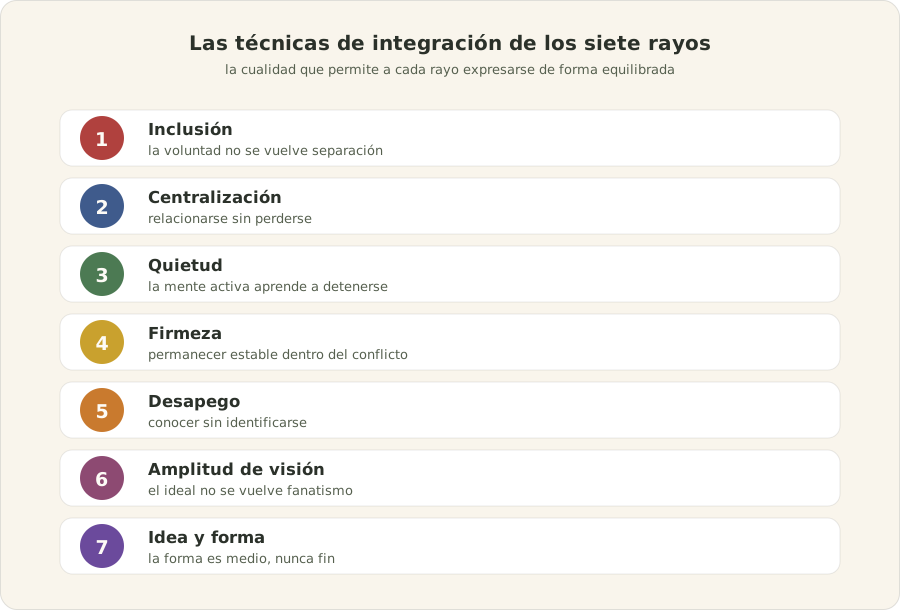
Bailey distingue tre grandi processi: la Tecnica dell'Integrazione, che riguarda soprattutto il rapporto fra il raggio della personalità e i raggi dei tre veicoli; la Tecnica della Fusione, relativa al rapporto fra anima e personalità; e la Tecnica della Dualità, che appartiene a uno stadio più avanzato e di cui l'autrice dice esplicitamente di non poter fornire le regole complete. In pratica: prima coordino la personalità, poi osservo il rapporto anima-personalità, infine il sistema tende verso una sintesi più ampia. Per i primi cinque raggi Bailey riassume le rispettive tecniche in cinque parole molto precise; per il sesto e il settimo sviluppa invece formule più lunghe.
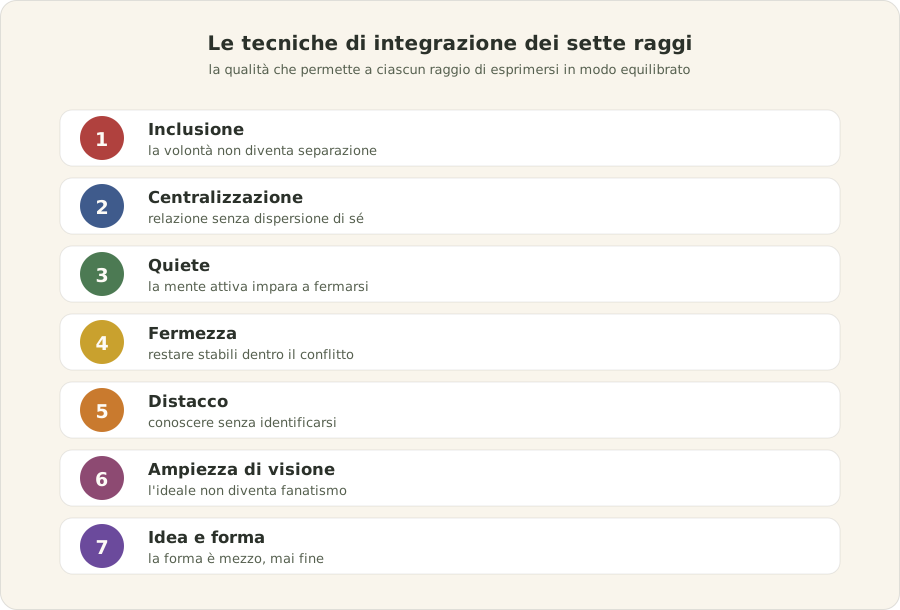
- Raggio 5 — Distacco. Questa parola dovrebbe essere scritta sopra ogni tavolo da radiestesia: posso ricevere una risposta dal pendolo senza dovermi identificare con essa. Una misura può essere interessante, coerente, ripetibile — e rimanere comunque un'ipotesi.
- Raggio 6 — uscire dalla prigionia della propria visione. Bailey descrive il problema del discepolo di sesto raggio come una forte identificazione con la mia verità, il mio ideale, il mio maestro; la correzione consiste nel fermarsi al centro, ampliare la visione e acquisire senso delle proporzioni. Una convinzione molto intensa non è necessariamente vera, e una risposta del pendolo che coincide perfettamente con ciò che desideravo non è necessariamente più attendibile.
- Raggio 7 — costruire la forma senza diventarne schiavi. Il settimo raggio lavora attraverso forma, organizzazione, rituale e ordine; Bailey mette in guardia dal fascino del potere di costruire e controllare le forme. Grafici, circuiti, strumenti, rate, software, simboli e rituali sono forme operative: non dovrebbero diventare il centro del lavoro. La domanda resta che cosa sto cercando realmente di produrre attraverso quella forma?
Per un lavoro radiestesico non cercherei di riprodurre letteralmente le tecniche iniziatiche della Fusione, che Bailey formula in termini molto più simbolici (Unità Isolata per il primo raggio, Ragione Inclusiva per il secondo, Attributi Presentati per il terzo). Utilizzerei piuttosto il principio: una volta integrata la personalità, verificare quale qualità permette una maggiore coerenza fra raggio della personalità e raggio dell'anima.
I problemi psicologici: quando aumentare non significa migliorare
Bisogna ricordare ancora una volta che Bailey usa la parola psicologia in un senso molto diverso dalla psicologia clinica contemporanea: il suo modello parte dall'esistenza dell'anima, della reincarnazione, dei corpi sottili e dei centri energetici, e non può essere letto come un manuale medico. Il valore che trovo in questa sezione è soprattutto nell'idea di conflitto fra energie: Bailey considera problemi derivanti da scissione, integrazione, stimolazione, spostamento della coscienza e rapporto fra personalità e anima. In termini semplici, anche un aumento di energia può creare un problema se il sistema non è preparato a gestirlo.
Questa idea mi sembra estremamente importante in radionica. Non sempre aumentare significa migliorare. Talvolta il lavoro corretto è ridurre, stabilizzare, distribuire, riequilibrare, mettere a terra, integrare. Prima di inviare “energia” possiamo quindi chiedere: il sistema necessita realmente di maggiore stimolazione? Una domanda banalissima, che può cambiare completamente il trattamento.
I centri energetici e il trasferimento delle forze
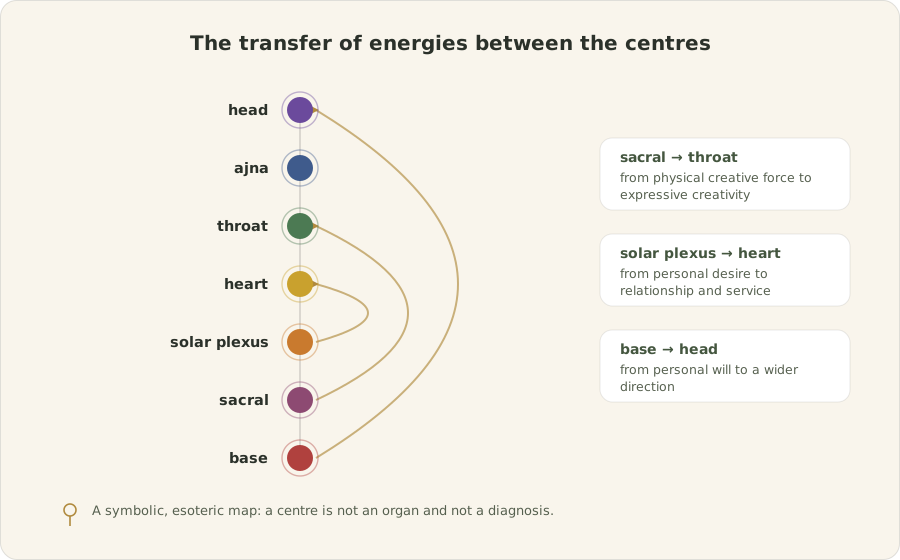
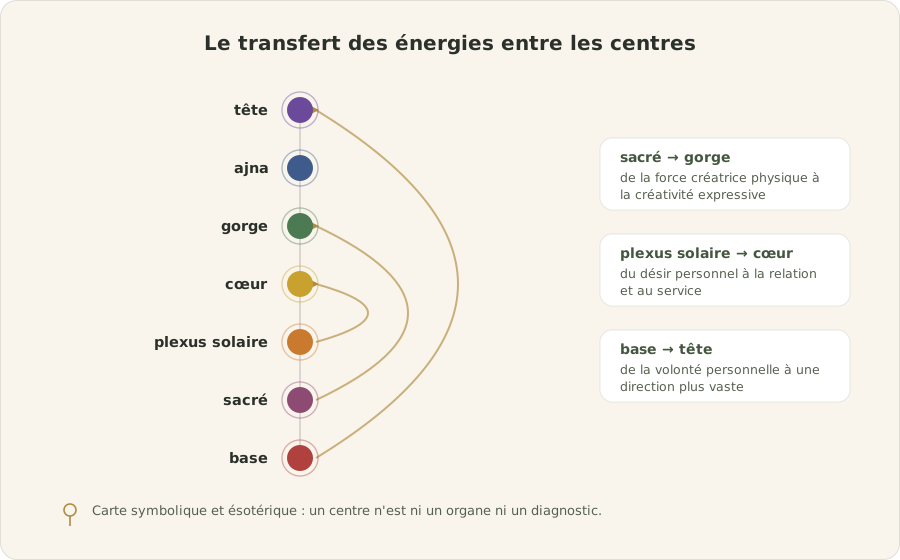
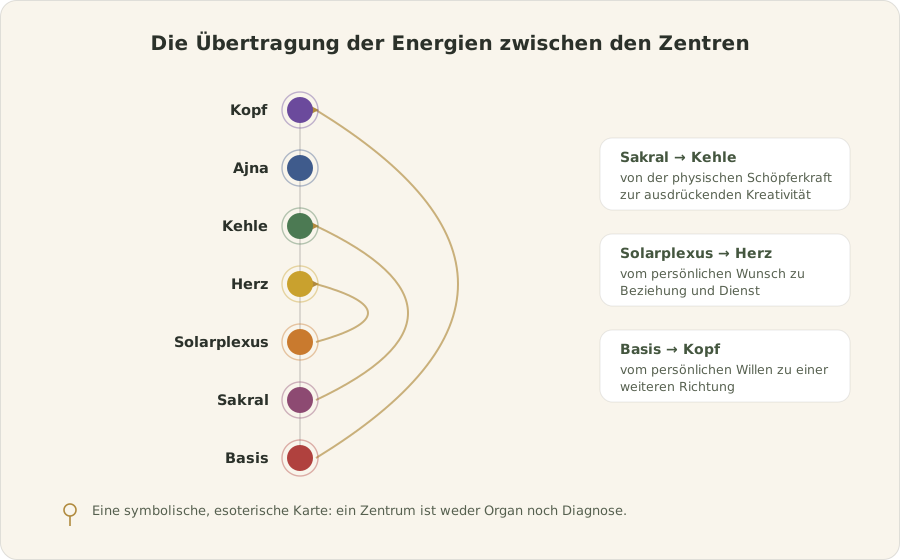
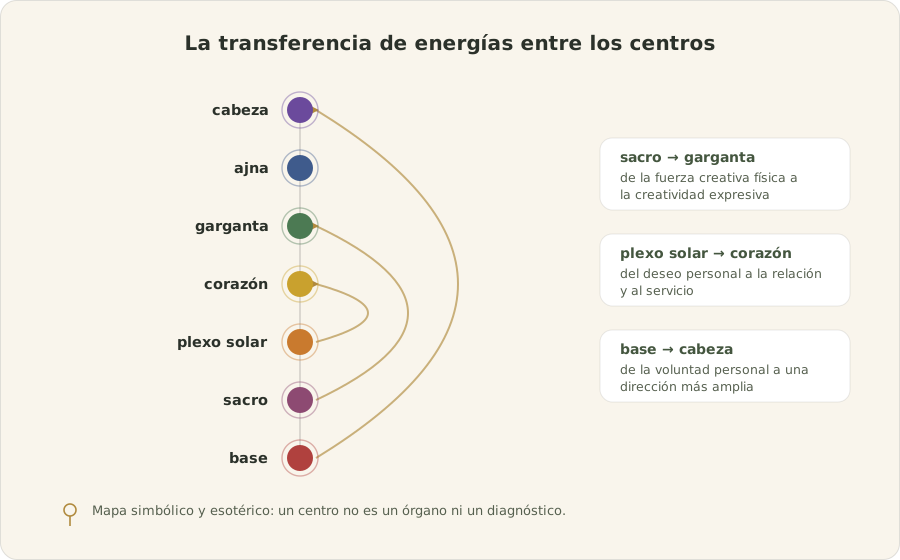
Nella sezione dedicata ai mistici e ai discepoli Bailey parla ampiamente dei centri energetici e soprattutto del trasferimento delle energie dai centri inferiori a quelli superiori: dalla base della colonna verso la testa, dal centro sacrale verso la gola, dal plesso solare verso il cuore. Il punto non è semplicemente “aprire i chakra”: è uno spostamento del modo in cui l'energia viene utilizzata.
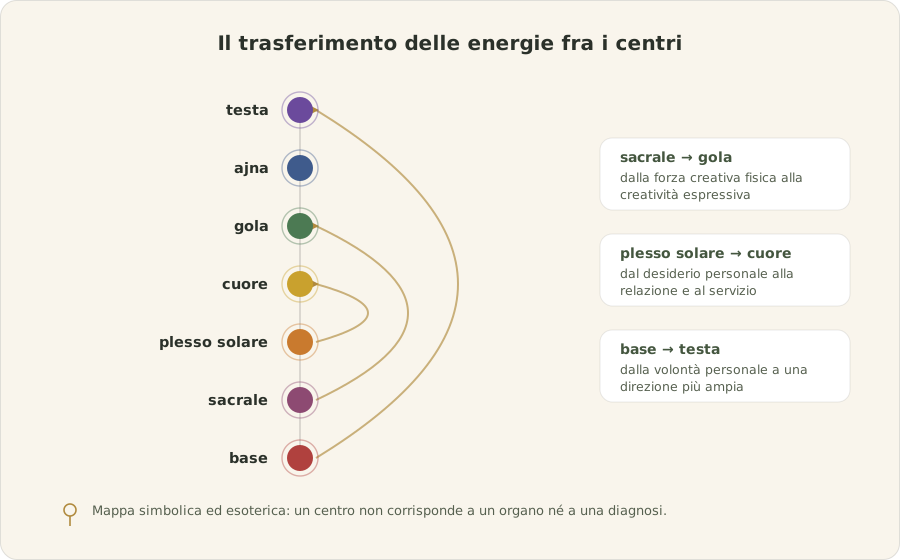
Questa parte è interessante in radiestesia, ma richiede molta prudenza. Un centro energetico non è una diagnosi medica: un'indicazione sul plesso solare non significa automaticamente un problema dello stomaco, e un'indicazione sul centro della gola non equivale a una diagnosi della tiroide. Stiamo lavorando con una mappa esoterica e simbolica dell'energia.
I problemi dei mistici e dei discepoli
Bailey dedica molto spazio ai problemi che, secondo il suo sistema, possono emergere quando aumenta la sensibilità ai centri, alle energie e ai fenomeni psichici. Alcune di queste pagine contengono interpretazioni di fenomeni neurologici e psichiatrici che appartengono chiaramente alla visione esoterica dell'epoca e non devono essere utilizzate come diagnosi contemporanee.
Per me il punto utile è un altro: la percezione psichica non deve essere automaticamente identificata con la verità. Questo vale moltissimo anche per la radiestesia. Il fatto che io percepisca qualcosa non mi dice ancora che la mia interpretazione sia corretta: fra percezione → interpretazione → conclusione ci sono almeno tre passaggi differenti, ed è proprio nell'interpretazione che entrano aspettative, paure, credenze, suggestione, desiderio del risultato e idealizzazione. Il buon radiestesista dovrebbe quindi essere disposto a mettere in discussione anche le proprie rilevazioni.
Capitolo III — L'Umanità Oggi
L'ultimo capitolo allarga completamente la prospettiva: la situazione mondiale, il Nuovo Gruppo dei Servitori del Mondo e i Grandi Approcci, ossia la futura religione mondiale. Qui Bailey applica la propria visione non più soltanto all'individuo, ma alla coscienza collettiva. È importante ricordare che queste pagine furono scritte nel contesto della crisi mondiale degli anni Trenta e contengono riferimenti a date e avvenimenti di quel periodo: non dobbiamo prendere ogni indicazione temporale e trasportarla automaticamente nel presente.
L'idea centrale è che l'evoluzione spirituale non dovrebbe condurre a un isolamento sempre maggiore, ma produrre servizio. Il Nuovo Gruppo dei Servitori del Mondo rappresenta, nel sistema di Bailey, una rete di persone che operano in campi differenti ma condividono un orientamento verso il bene collettivo; e il Progresso di Gruppo viene esplicitamente collegato alla capacità di trasmettere le qualità del proprio raggio senza imporre agli altri le caratteristiche della propria personalità. Ne ricavo una conseguenza molto concreta: la domanda finale di ogni pratica esoterica non dovrebbe essere quanto sono potente?, ma quello che sto sviluppando mi rende più utile, più equilibrato e più capace di relazione?
Come trasformare Psicologia Esoterica II in un protocollo radiestesico
Arriviamo alla parte pratica. Quello che segue non è un metodo insegnato da Alice Bailey: è il modo in cui propongo di utilizzare alcune strutture del libro come base per una ricerca radiestesica. La distinzione deve rimanere chiara: Bailey ci fornisce la mappa, il protocollo è una nostra sperimentazione.
- 1Costruire il profilo dei raggi. Verificare separatamente raggio dell'anima, della personalità, mentale, astrale e fisico. Per anima e personalità si usano tutti e sette i raggi; per i tre veicoli si può partire dalla classificazione principale di Bailey (mentale 1/4/5, astrale 2/6, fisico 3/7), facendo occasionalmente anche una verifica aperta sui sette. Non determinerei tutti i cinque raggi uno dopo l'altro considerandoli subito definitivi: ripeterei le misure in giorni diversi, senza guardare il risultato precedente e cambiando l'ordine delle domande. Se il raggio dell'anima cambia continuamente da una seduta all'altra, prima di costruire una grande interpretazione esoterica considererei un'ipotesi molto più semplice: la rilevazione non è sufficientemente stabile.
- 2Verificare l'integrazione della personalità. Un quadrante dedicato: disorganizzazione, coordinazione parziale, personalità integrata, conflitto anima-personalità, allineamento crescente, integrazione stabile. Non serve a stabilire il “grado spirituale” della persona, ma a capire dove si trova il problema che sto osservando. Potrebbe emergere che non esiste ancora un problema significativo anima-personalità e che il vero squilibrio è semplicemente fra mente ed emozioni: in quel caso lavorerei prima lì.
- 3Individuare il rapporto critico. Un quadrante con le coppie: mente ↔ emozioni, mente ↔ corpo, emozioni ↔ corpo, personalità ↔ anima, individuo ↔ gruppo, intenzione ↔ azione. Domanda: quale relazione richiede prioritariamente riequilibrio? È un modo di lavorare molto più interessante rispetto al cercare continuamente “energie negative”.
- 4Utilizzare le sette Leggi come chiavi di lettura. Un quadrante con Sacrificio, Impulso Magnetico, Servizio, Repulsione, Progresso di Gruppo, Risposta Espansiva, Quattro Inferiori. Domanda: quale Legge offre la chiave simbolica più pertinente per comprendere questa situazione? Non quale legge mi governa, ma quale mi aiuta a comprendere: la formulazione mantiene il risultato nel campo dell'indagine.
- 5Usare le sette Regole dell'anima. Un secondo quadrante con Sintesi, Visione, Piano, Creatività, Analisi, Idealizzazione, Integrazione delle dualità. Domanda: quale funzione necessita maggiormente di equilibrio? E poi, fondamentale: è insufficiente o eccessiva? Se l'Analisi è insufficiente potrebbero servire discernimento, verifica e chiarezza; se è eccessiva potrebbero servire distacco e sintesi. La stessa qualità può richiedere due interventi opposti.
- 6Utilizzare la tecnica del raggio della personalità. Una volta identificato il raggio, le indicazioni di Bailey diventano parole-seme: Inclusione, Centralizzazione, Quiete, Fermezza, Distacco per i primi cinque; ampiezza di visione e proporzione per il sesto; corretta relazione fra idea e forma per il settimo. Non “trasmetterei” semplicemente il raggio: cercherei di favorire la qualità che permette a quel raggio di funzionare in modo più equilibrato.
- 7Verificare i centri soltanto dopo. Solo a questo punto aggiungerei eventualmente una ricerca su base, sacrale, plesso solare, cuore, gola, ajna e testa. Prima domanda: un centro energetico è rilevante per questa ricerca? Se no, mi fermo. Se sì: quale? e poi la dinamica riguarda accumulo, carenza, dispersione, trasferimento, integrazione oppure nessun intervento diretto? Questo evita di partire automaticamente dal presupposto che ci sia “un chakra bloccato”.
- 8Formulare una sola intenzione radionica. Dopo tutta questa analisi arriverei a una formulazione semplice, non a venti intenzioni contemporanee. Per esempio: favorire equilibrio fra mente ed emozioni, con maggiore distacco e chiarezza; oppure favorire un'espressione inclusiva e non separativa della volontà; oppure favorire stabilità interiore e ampiezza di visione, riducendo l'identificazione rigida con un singolo ideale. La complessità serve alla diagnosi radiestesica del modello; il trattamento può essere semplice.
- 9Verificare nel tempo. È forse la parte a cui tengo di più. Dopo il trattamento non chiederei soltanto ha funzionato?, ma cercherei indicatori più precisi: il conflitto principale è diminuito? la qualità scelta è più equilibrata? il rapporto fra i due raggi è cambiato? l'intenzione è ancora necessaria? è comparsa una nuova priorità? E confronterei, quando possibile, la lettura radiestesica con elementi osservabili nella vita reale. Radiestesia non significa soltanto ottenere risposte: significa anche verificare le proprie risposte.
Un esempio pratico
Immaginiamo che, dopo più rilevazioni sufficientemente coerenti, otteniamo questo profilo.
- Anima: raggio 2 — amore-saggezza, inclusività, comprensione.
- Personalità: raggio 6 — idealismo, devozione, orientamento unidirezionale.
- Mentale: raggio 5 — analisi, ricerca di conferme, tendenza alla classificazione.
- Astrale: raggio 6 — forte coinvolgimento emotivo.
- Fisico: raggio 7 — ordine, ritmo, organizzazione.
Non direi immediatamente “questa persona è un sesto raggio”. Abbiamo davanti una struttura molto più interessante: la personalità e il corpo astrale condividono il sesto raggio, il che potrebbe indicare una forte componente di idealismo e di orientamento emotivo verso ciò che viene percepito come vero; il mentale di quinto raggio aggiunge analisi e ricerca di conferme; il raggio dell'anima introduce invece un principio di inclusività.
A questo punto la domanda non è quale raggio devo eliminare? — nessuno. La domanda interessante diventa: il problema principale consiste nell'identificazione della personalità con una visione troppo esclusiva rispetto alla qualità inclusiva attribuita al raggio dell'anima? Se l'ipotesi viene confermata in misure separate, potremmo lavorare su ampiezza di visione, proporzione, inclusività, distacco e comprensione. Questa è, per me, una vera applicazione radionica della Psicologia Esoterica: non aggiungere continuamente energie, ma capire come sono organizzate.
Le domande che eviterei
Ci sono invece domande che personalmente eviterei di affidare al pendolo.
- Quanto sono evoluto?
- Quale iniziazione ho raggiunto?
- Sono un Maestro reincarnato?
- Provengo dalla catena lunare?
- Questa persona appartiene a una categoria superiore di anime?
- È posseduta?
- Quale centro causa questa malattia?
Il motivo è semplice: non abbiamo un sistema indipendente sufficientemente affidabile per verificare queste risposte. Più la domanda alimenta identità, paura, grandiosità o convinzioni già presenti, più aumenta il rischio che il pendolo diventi uno specchio dell'operatore. Fra tutti i passaggi del volume, quello dedicato al sesto raggio contiene la lezione che considero più importante per chi opera: possiamo credere fortemente in qualcosa, percepirlo con chiarezza, desiderare che sia vero, ricevere dieci volte la stessa risposta in una sola seduta — eppure intensità e verità non sono la stessa cosa. Per questo uso ripetizione, domande di controllo, misure separate nel tempo, formulazioni differenti, confronto con elementi osservabili e disponibilità a riconoscere un errore. Il distacco non indebolisce la radiestesia: la rende migliore.
Dalla radionica delle “energie” alla radionica delle relazioni
Alla fine, quello che trovo più interessante in Psicologia Esoterica II è proprio questo passaggio. La domanda classica — quale energia manca? — non è sempre sufficiente. Possiamo cominciare a chiedere:
- Quale energia è già presente, ma viene utilizzata male?
- Quale componente è eccessiva e quale poco sviluppata?
- Quali due energie sono in conflitto, e quale relazione necessita di integrazione?
- La persona necessita realmente di maggiore energia, oppure di maggiore ordine?
- Serve stimolare oppure stabilizzare? attrarre oppure lasciare andare? agire oppure fermarsi? analizzare oppure sintetizzare?
Se dovessi condensare l'intero volume in un'unica idea direi: non conta soltanto quale energia possediamo; conta chi la sta utilizzando, come viene utilizzata e in relazione a che cosa. La volontà può diventare dominio oppure direzione; l'amore, dipendenza oppure comprensione; l'intelligenza, manipolazione oppure capacità di organizzare; il conflitto, caos oppure armonia; l'analisi, separazione oppure discernimento; la devozione, fanatismo oppure dedizione; l'ordine, rigidità oppure capacità di dare forma a un'idea. È sempre la stessa energia: cambia il modo in cui viene espressa. Ed è precisamente questa dinamica che rende il secondo volume molto più interessante, dal punto di vista radionico, di un semplice elenco dei sette raggi.
Nel primo volume abbiamo imparato la grammatica dei Sette Raggi. Nel secondo scopriamo che il vero problema non è sapere quale raggio abbiamo, ma comprendere come le diverse energie imparano a lavorare insieme.
Psicologia Esoterica II, in una frase
Entrerò nel terzo volume del Trattato, Astrologia Esoterica. È qui che Bailey mette in relazione raggi, segni zodiacali, pianeti e sviluppo della coscienza, costruendo un'astrologia molto diversa da quella comunemente utilizzata per descrivere il carattere o prevedere gli eventi. Vedremo anche quali parti di questa struttura possono essere trasformate in una ricerca radiestesica, quali corrispondenze possono essere utilizzate e quali richiedono particolare cautela. » Leggi la Parte IV
Bibliografia
🇮🇹 Il volume II in italiano
- Alice A. Bailey, Trattato dei Sette Raggi, Vol. II — Psicologia esoterica, Editrice Nuova Era, Roma (Collezione Lucis).
- Alice A. Bailey, Trattato dei Sette Raggi, Vol. I — Psicologia esoterica, Editrice Nuova Era, Roma. Il volume affrontato nella Parte II.
🇬🇧 Il volume II in edizione originale
- Alice A. Bailey, Esoteric Psychology, Volume II — A Treatise on the Seven Rays, Volume II, Lucis Publishing Company / Lucis Trust, copyright originale 1942. L'edizione online ufficiale di Lucis Trust riporta titolo, struttura completa e data di pubblicazione.
- Alice A. Bailey, Esoteric Psychology, Volume I, Lucis Publishing Company, 1936.
🇬🇧 Raggi, anatomia sottile e radionica
- David V. Tansley, Radionics and the Subtle Anatomy of Man, Health Science Press, 1972.
- David V. Tansley, Chakras, Rays and Radionics, C.W. Daniel, 1984. Questi testi appartengono a una fase successiva della tradizione radionica e non vanno confusi con l'insegnamento originale di Bailey.
🇩🇪 🇫🇷 🇪🇸 🇧🇷 Altre edizioni del volume II
- Alice A. Bailey, Eine Abhandlung über die Sieben Strahlen, Bd. II — Esoterische Psychologie, Lucis Verlag, Ginevra. 🇩🇪
- Alice A. Bailey, Traité sur les Sept Rayons, vol. II — Psychologie ésotérique, Éditions Lucis Trust, Ginevra. 🇫🇷
- Alice A. Bailey, Tratado sobre los Siete Rayos, Tomo II — Psicología Esotérica, Fundación Lucis. 🇪🇸
- Alice A. Bailey, Um Tratado sobre os Sete Raios — Psicologia Esotérica, vol. II, Fundação Cultural Avatar. 🇧🇷