
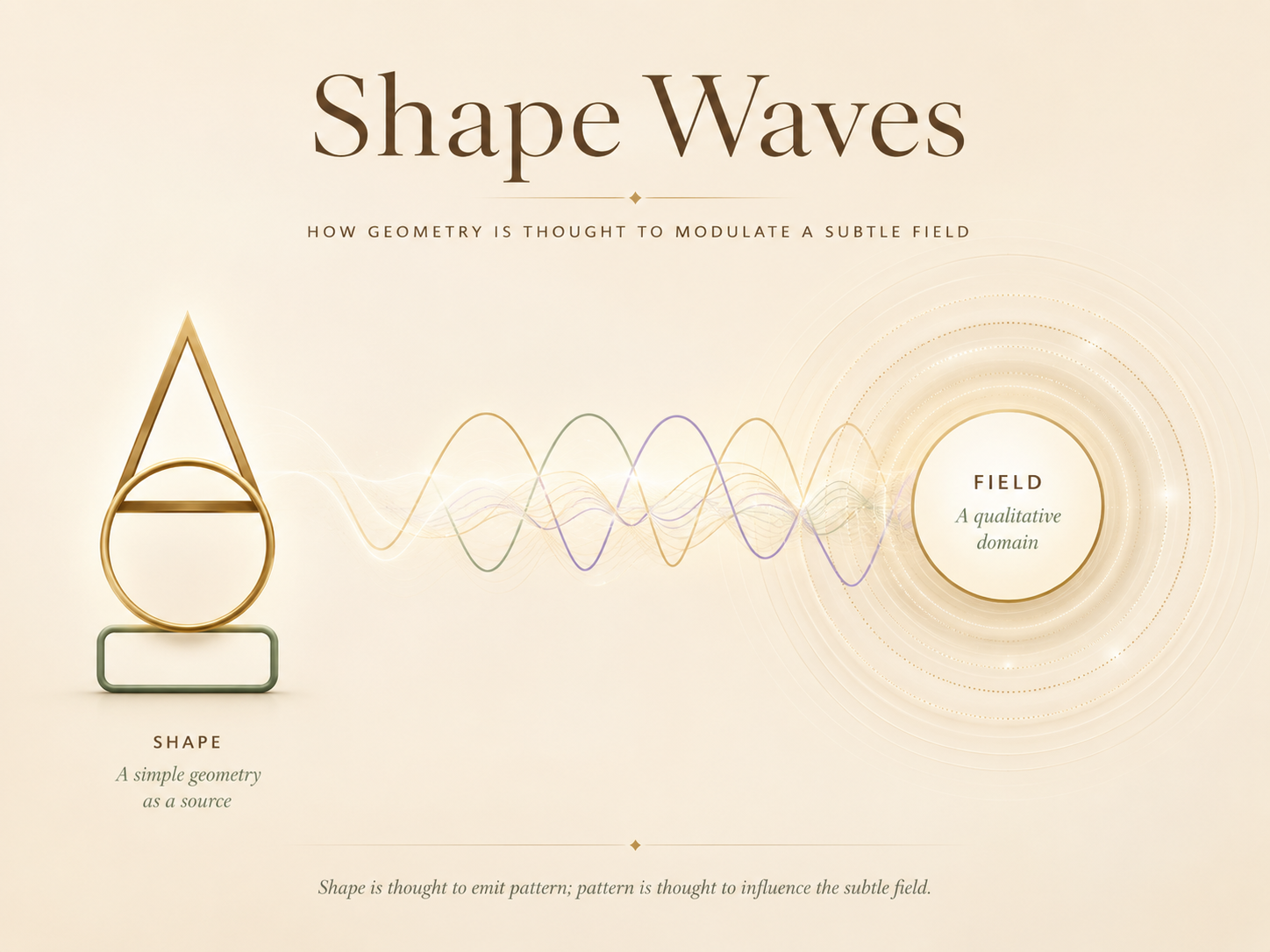
Nel mondo della radionica e della radiestesia esiste un principio antico e affascinante: la forma non è mai soltanto forma. Un cerchio, una spirale, una piramide, un simbolo tracciato su carta o un oggetto orientato nello spazio possono essere considerati portatori di una qualità sottile, di una vibrazione, di un'informazione.
Questa idea è al centro della ricerca sulle onde di forma e trova una sua espressione contemporanea nella Biogeometria, o BioGeometry, sviluppata dal dottor Ibrahim Karim. La Biogeometria osserva la geometria come un linguaggio vivo: non un semplice fatto estetico, ma una possibile interfaccia fra ambiente, corpo energetico e campi sottili.
Per chi pratica radiestesia, radionica o geobiologia, questo approccio è particolarmente interessante. La Biogeometria non invita soltanto a misurare una radiazione o a individuare una disarmonia, ma a comprendere la qualità dell'informazione che una forma può trasmettere. In altre parole: non solo quanta energia è presente, ma quale tipo di ordine, risonanza o disordine essa porta con sé.
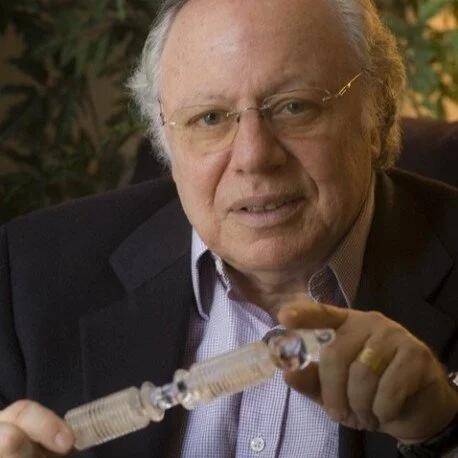
"La BioGeometry è la scienza che stabilisce armonia nello scambio di qualità energetica fra i campi biologici e l'ambiente."
Ibrahim Karim, definizione divulgativa della BioGeometry
Le radici radiestesiche: Chaumery, de Bélizal e le onde di forma
Per comprendere la Biogeometria è utile partire dalla tradizione radiestesica francese del Novecento, in particolare dalle ricerche di Léon Chaumery e André de Bélizal. A loro viene tradizionalmente attribuita la formulazione del concetto di onde di forma, cioè l'idea secondo cui forme, volumi, simboli, pendoli, architetture e grafismi possano emettere qualità vibrazionali sottili.
Chaumery e de Bélizal cercarono di superare la radiestesia intesa solo come ricerca dell'acqua o dei minerali, orientandola verso una vera e propria radiestesia vibratoria. In questa prospettiva, il pendolo diventa uno strumento di lettura delle qualità sottili, mentre la geometria viene osservata come una struttura capace di concentrare, trasformare o orientare l'informazione energetica.
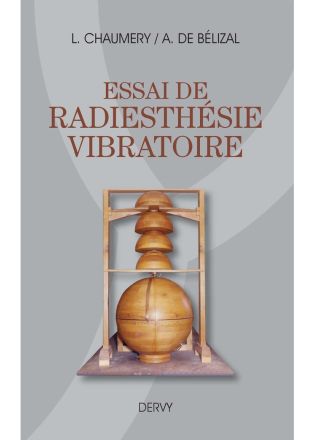
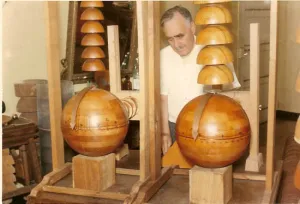
Da questa tradizione derivano temi fondamentali come il pendolo universale, il verde negativo, le polarità, gli orientamenti, i colori sottili e le emissioni di forma. Il punto centrale è semplice ma potente: ogni forma produce un effetto. Tuttavia non ogni effetto è necessariamente armonico. Una forma può essere centrante, neutra, dispersiva o disturbante.
È proprio qui che la ricerca di Ibrahim Karim si inserisce in modo originale. Karim raccoglie idealmente il grande campo aperto dalla radiestesia delle onde di forma e lo rielabora attraverso una prospettiva architettonica, ambientale e biologica.
Ibrahim Karim: dall'architettura alla Biogeometria
Ibrahim Karim nasce come architetto, non come semplice teorico dell'esoterismo. Il suo punto di partenza è lo spazio abitato: case, templi, città, oggetti, proporzioni, orientamenti. La domanda che guida la sua ricerca è molto concreta: perché alcuni luoghi ci fanno sentire più centrati, raccolti e vitali, mentre altri sembrano affaticare, agitare o svuotare?
Da questa osservazione nasce un percorso che unisce architettura, geometria sacra, geobiologia, radiestesia, armonica pitagorica e studio delle tradizioni antiche. Karim osserva che molte architetture sacre, forme naturali e proporzioni armoniche sembrano condividere una qualità particolare: la capacità di ricondurre il sistema vivente verso un punto di equilibrio.
La Biogeometria nasce dunque come studio dell'effetto qualitativo delle forme sui sistemi viventi. La forma non è più vista soltanto come struttura materiale, ma come veicolo di informazione. Una stanza, un simbolo, una linea, un oggetto o una proporzione possono dialogare con il campo energetico dell'essere umano e con la qualità sottile dell'ambiente.
Nel linguaggio della Biogeometria, il lavoro non consiste semplicemente nel "bloccare" una radiazione o nel "neutralizzare" un disturbo, ma nel trasformare la qualità del campo, introducendo una frequenza sottile di centratura e armonia.
Che cos'è la BG3
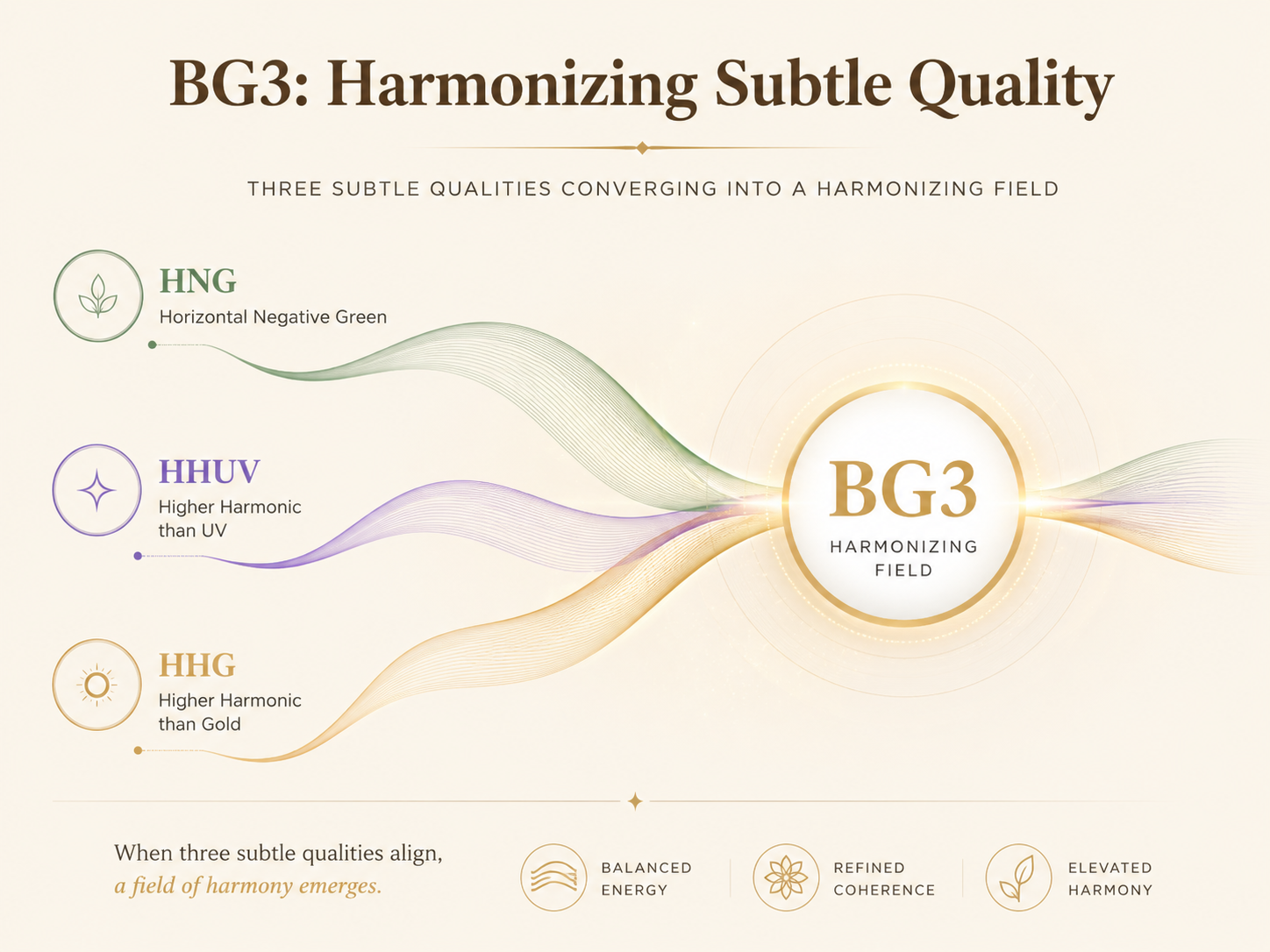
Il concetto centrale della Biogeometria è la BG3, abbreviazione di BioGeometry Three. Secondo la scuola di Ibrahim Karim, la BG3 rappresenta una qualità sottile armonizzante, rilevabile attraverso tre componenti fondamentali: Verde Negativo Orizzontale, Armonica Superiore dell'Ultravioletto e Armonica Superiore dell'Oro.
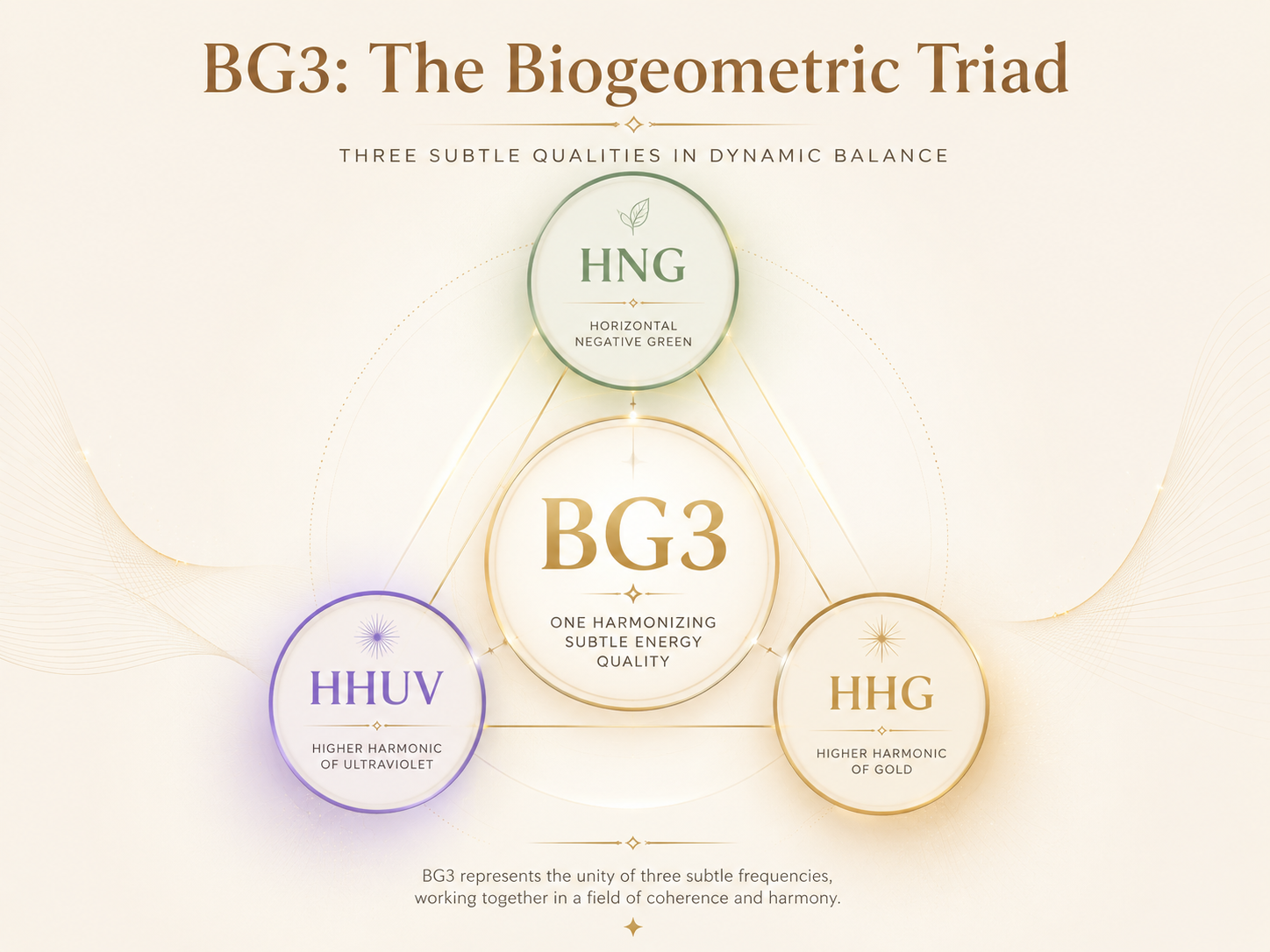
Quando queste tre qualità sono presenti simultaneamente, la forma viene considerata portatrice di una qualità di centratura. La BG3 non va intesa come una frequenza fisica ordinaria nel senso accademico del termine, ma come una qualità sottile rilevata e interpretata attraverso strumenti e metodi propri della scuola biogeometrica e della sensibilità radiestesica.
Per semplificare, potremmo dire che la BG3 è la "firma dell'armonia" nella Biogeometria. Una forma può emettere un'onda di forma, ma solo alcune forme, secondo Karim, sono capaci di esprimere questa qualità ordinatrice. In questo senso la Biogeometria non si limita a dire che "tutto emette", ma cerca di distinguere ciò che armonizza da ciò che semplicemente irradia.
Le Biofirme: tracce di Biogeometria
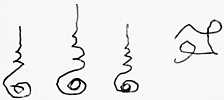
Uno degli aspetti più affascinanti della Biogeometria è il concetto di Biofirme, spesso chiamate anche BioSignatures. Le Biofirme sono tracce lineari, grafismi o disegni che, nella visione biogeometrica, rappresentano specifici percorsi energetici. Non sono semplici decorazioni e non sono simboli scelti a caso: sono forme che cercano di entrare in risonanza con una funzione, un organo, un flusso o una qualità sottile.
Una Biofirma può essere considerata una sorta di circuito informazionale. La linea si muove, curva, cambia direzione, crea un ritmo. Questo ritmo grafico viene interpretato come un linguaggio capace di dialogare con il campo energetico del corpo.
Nel lavoro radionico, una Biofirma può essere paragonata a un testimone attivo o a un circuito sottile. Può essere posta sotto un testimone, inserita in una tavola radionica, utilizzata come supporto meditativo, tracciata su carta, collocata in un ambiente o portata vicino al corpo, sempre secondo le modalità proprie della scuola di riferimento e con un'adeguata verifica radiestesica.
"Il valore non sta soltanto nell'inchiostro, nella carta o nel segno materiale. Sta nella risonanza che il segno dovrebbe richiamare."
Nota editoriale sulle Biofirme
Come agisce una traccia biogeometrica sul corpo
Secondo la visione biogeometrica, il corpo umano non è soltanto un insieme di organi e tessuti, ma anche una rete di campi, polarità, flussi e centri energetici. Ogni funzione possiede una propria configurazione sottile. Quando questa configurazione perde coerenza, il campo può diventare disordinato o dispersivo; quando ritrova un'informazione armonica, può orientarsi nuovamente verso l'equilibrio.
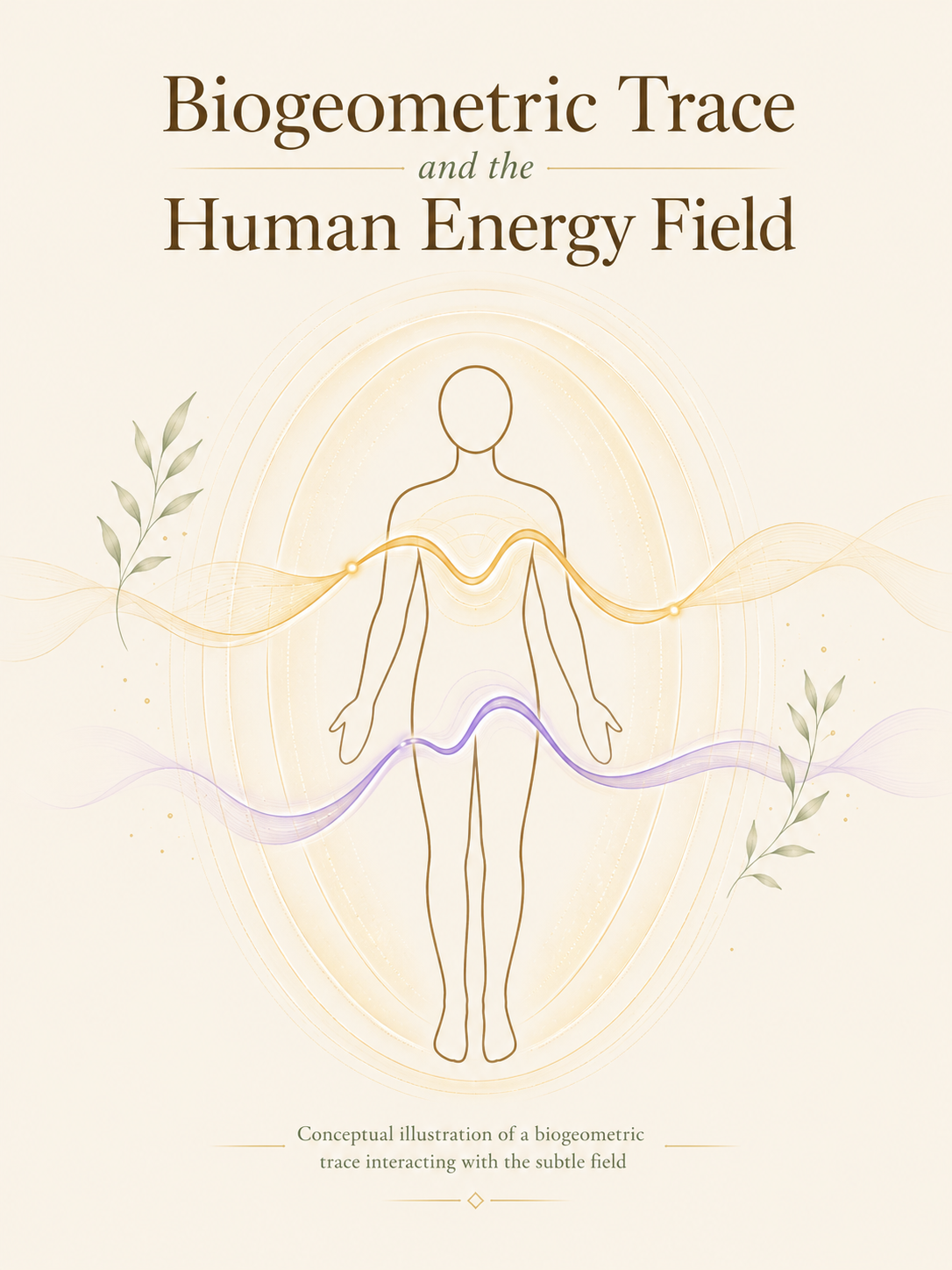
La traccia biogeometrica agisce per risonanza. Non interviene come una sostanza chimica e non deve essere presentata come una cura medica. Agisce, nel linguaggio sottile, come una forma-informazione: propone al campo energetico un modello, una direzione, una qualità.
È come se la Biofirma dicesse al sistema: "ricorda questo ordine". La forma diventa un richiamo. La linea diventa una strada. Il segno diventa una chiave.
Per questo motivo, nel contesto della radionica e della radiestesia, una Biofirma dovrebbe sempre essere testata. Non basta che un simbolo sia bello, antico o suggestivo. Occorre verificare se è compatibile con la persona, se produce centratura, se è adatto al momento, se entra davvero in risonanza con il campo del soggetto.
Onde di forma e Biofirme: la differenza essenziale
Le onde di forma ci insegnano che la geometria emette. La Biogeometria aggiunge una domanda ulteriore: che qualità emette?
Questa distinzione è fondamentale. Un simbolo può essere potente, ma non necessariamente armonizzante. Una forma può attivare, ma anche creare dispersione. Un circuito può amplificare, ma amplificare non significa sempre equilibrare.
La Biogeometria cerca quindi forme capaci di introdurre una qualità ordinatrice, legata alla BG3. Le Biofirme non sono viste soltanto come emissioni di forma, ma come tracciati che orientano il flusso energetico verso una risonanza specifica.
Per chi lavora con la radionica, questa prospettiva è preziosa: invita a non usare i simboli in modo automatico, ma a interrogarli, testarli e inserirli nel lavoro con consapevolezza.
Biogeometria, ambiente ed elettrosmog
Un altro campo in cui la Biogeometria viene spesso applicata è l'armonizzazione degli ambienti. Case, uffici, luoghi di terapia, spazi meditativi e ambienti urbani possono essere letti come campi complessi, dove si intrecciano geopatie, orientamenti, materiali, forme architettoniche, apparecchiature elettriche, memorie dei luoghi e influenze sottili.
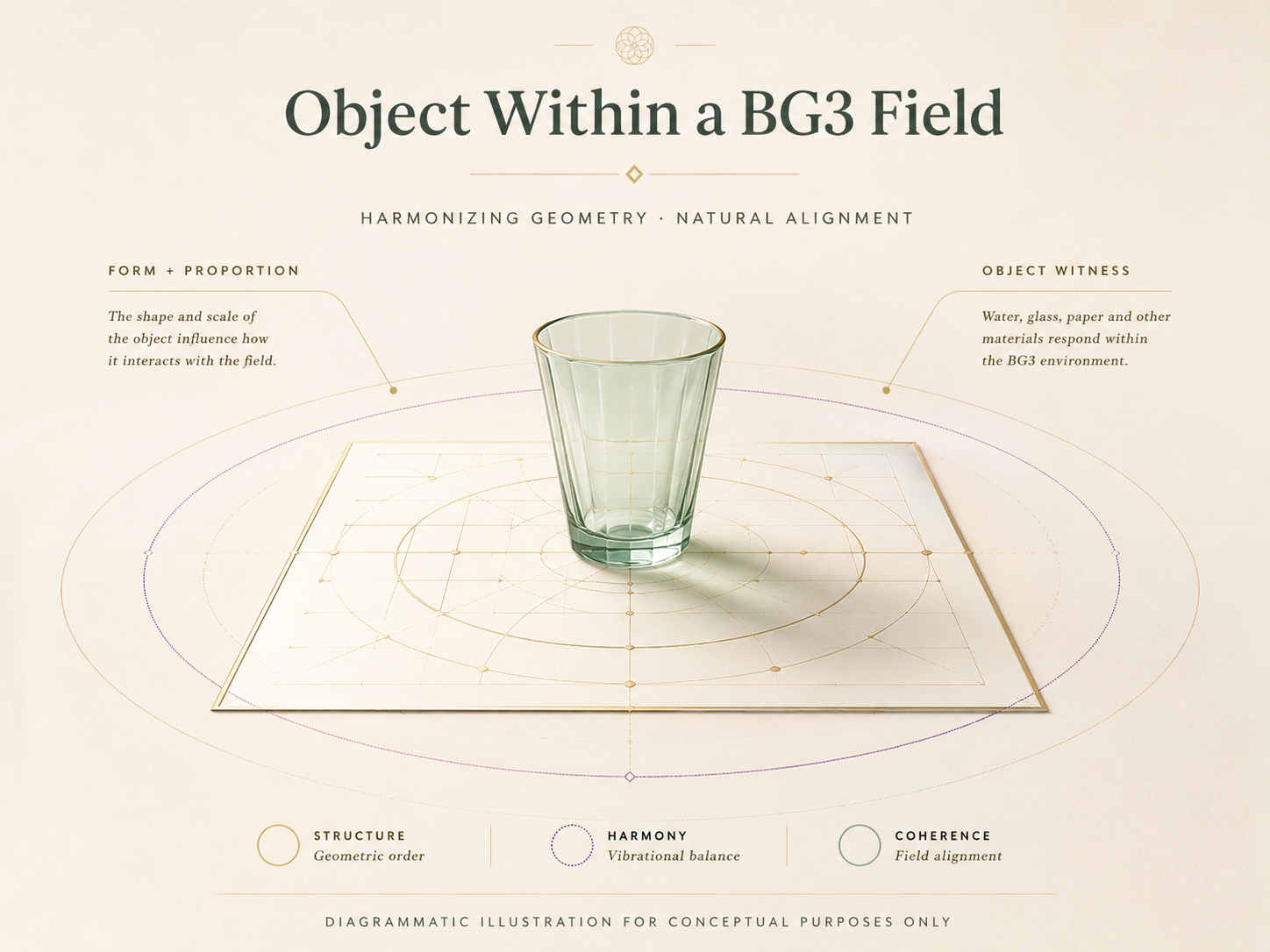
Secondo la prospettiva biogeometrica, non si tratta soltanto di eliminare un disturbo, ma di introdurre una qualità armonizzante che aiuti il sistema vivente a relazionarsi meglio con l'ambiente. Anche qui il principio è qualitativo: non solo schermare, ma trasformare la qualità della risonanza.
Per un radiestesista, questo significa poter osservare una stanza, una planimetria o un luogo non solo come spazio fisico, ma come organismo energetico. Le forme, i punti, le direzioni e i simboli diventano elementi di una grammatica sottile.
Conclusione: la forma come ponte fra visibile e invisibile
Dalle onde di forma di Chaumery e de Bélizal alla Biogeometria di Ibrahim Karim, emerge una stessa intuizione: la geometria è un linguaggio. Non parla con parole, ma con proporzioni, direzioni, ritmi, polarità e risonanze.
Le Biofirme sono tracce di questo linguaggio. Piccoli circuiti grafici che, secondo la visione biogeometrica, possono dialogare con il campo energetico del corpo e dell'ambiente. La BG3 rappresenta il cuore di questa ricerca: la qualità armonizzante, centrante, ordinatrice.
Per la radionica e la radiestesia, la Biogeometria è un invito a guardare le forme con occhi nuovi. Un pendolo, un simbolo, una spirale, una linea tracciata su carta o una proporzione architettonica possono diventare soglie di ascolto. Non semplici oggetti, ma ponti fra il visibile e l'invisibile.
In fondo, la Biogeometria ci ricorda una verità antica: la vita non si manifesta nel caos, ma attraverso forme. E quando la forma ritrova la sua giusta qualità, anche l'energia può tornare a respirare.