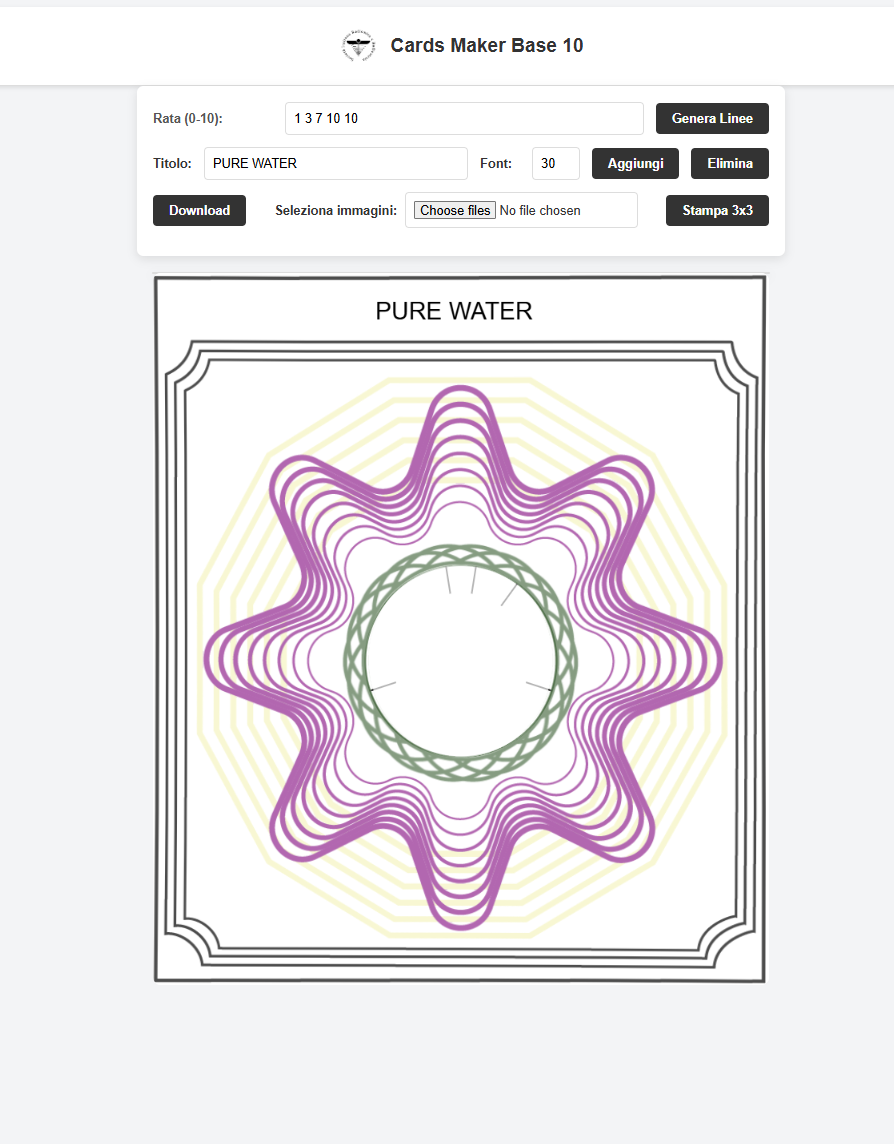
Nella tradizione radionica britannica del secondo Novecento, le card magneto-geometriche rappresentano uno dei contributi più originali e raffinati. L’idea di fondo è semplice ma profonda: se una rate radionica è una firma informazionale, è possibile codificarla in forma geometrica, trasformandola in un disegno capace di portare quella stessa qualità nel campo energetico.
Malcolm Rae fu il pioniere di questa visione. Le sue card — cerchi con disegni geometrici precisi tracciati secondo angoli specifici — divennero uno strumento fondamentale nella radionica britannica e ispirarono generazioni di praticanti. Cards Maker nasce come applicazione digitale per creare queste card, aggiungendo un elemento che Rae non aveva potuto prevedere ma che si integra perfettamente con la sua filosofia: la qualità armonizzante BG3 della Biogeometria.
Malcolm Rae: la geometria come linguaggio radionico
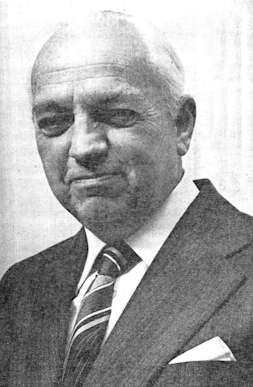
Malcolm Rae fu un ricercatore e praticante di radionica attivo in Gran Bretagna nel secondo dopoguerra. Il suo punto di partenza era una domanda molto concreta: come si può codificare una rate radionica in modo che sia riproducibile, verificabile e universalmente utilizzabile?
La risposta che Rae elaborò nel corso degli anni fu geometrica. Il suo sistema utilizza un cerchio come spazio di codifica: all’interno di questo cerchio vengono tracciate linee secondo angoli precisi, e la configurazione delle linee costituisce la “firma” della rate. Ogni rate ha la propria geometria unica, il proprio disegno identificativo.
Rae lavorò nell’ambito della tradizione radionica britannica, in dialogo con il lavoro di George de la Warr e con i ricercatori che avevano documentato il rapporto tra forme, frequenze e informazioni sottili. La sua visione era che la geometria non fosse soltanto una codifica simbolica, ma un portatore attivo dell’informazione: la forma del disegno emette, per risonanza, la qualità che rappresenta.
David Tansley, un altro importante studioso della tradizione radionica britannica, documentò e diffuse il sistema di Rae nei suoi lavori sulla radionica e sui corpi sottili, contribuendo a far conoscere le card magneto-geometriche a un pubblico più ampio.
“Una geometria precisa può contenere e trasmettere un’informazione radionica con la stessa efficacia di una rate numerica, e con il vantaggio di essere visibile, tangibile e portabile.”
Nota editoriale sul sistema di Malcolm Rae
Base 10 e base 44: due sistemi per codificare l’informazione
Il sistema di Rae prevede due principali organizzazioni geometriche delle card: la base 10 e la base 44. Entrambe utilizzano un cerchio come spazio di lavoro, ma differiscono per il numero di posizioni angolari disponibili e quindi per il grado di dettaglio informazionale che possono esprimere.
La base 10 suddivide il cerchio in dieci posizioni angolari equidistanti, con linee tracciate a multipli di 36 gradi. Questo sistema offre una struttura modulare e accessibile, ideale per la codifica di rate semplici o di qualità di ordine generale.
La base 44 utilizza quarantaquattro posizioni angolari, permettendo una codifica molto più fine e dettagliata. È il sistema utilizzato tradizionalmente per rappresentare rimedi omeopatici, frequenze organiche specifiche e condizioni energetiche complesse. La maggiore densità di posizioni angolari consente di distinguere qualità molto vicine tra loro con precisione.
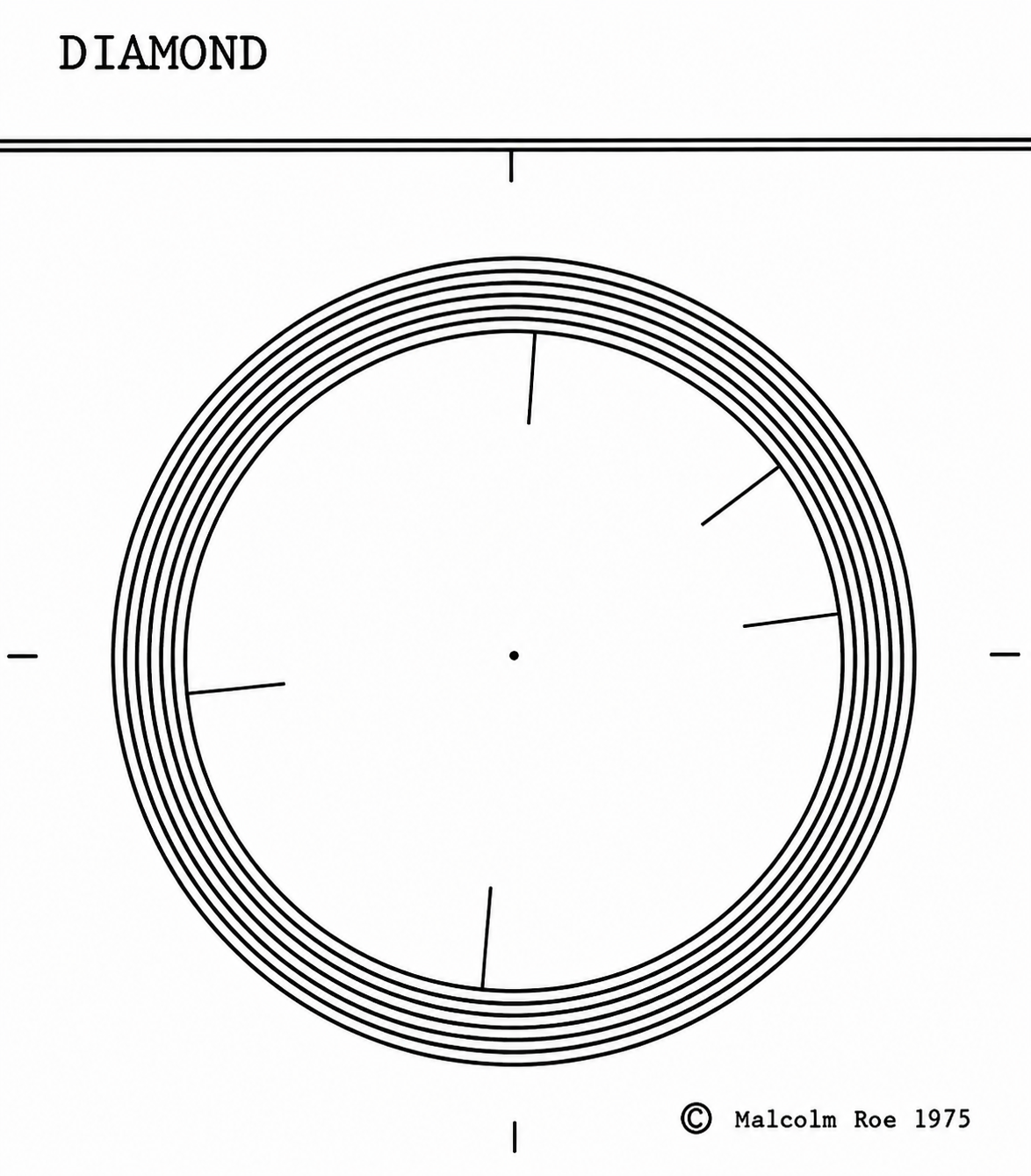
In entrambi i sistemi, la card viene inserita nella macchina radionica come testimone attivo: il disegno orienta il lavoro dello strumento verso la qualità codificata. La scelta tra base 10 e base 44 dipende dalla natura della rate che si vuole rappresentare e dal livello di dettaglio richiesto dal trattamento.
Cards Maker: l’applicazione
Cards Maker è l’applicazione sviluppata da Radionics for Life per la creazione digitale di card magneto-geometriche. Permette di generare card in base 10 e base 44 con pochi passaggi, personalizzando il disegno geometrico e aggiungendo il logo di Radionics for Life.
L’applicazione è pensata sia per il praticante che utilizza la radionica digitale, sia per chi preferisce stampare le card e lavorare con supporti fisici. Le card create con Cards Maker possono essere usate direttamente con l’altra applicazione di Radionics for Life, il simulatore MGA-RAE, oppure stampate e utilizzate fisicamente come qualsiasi altra card magneto-geometrica tradizionale.
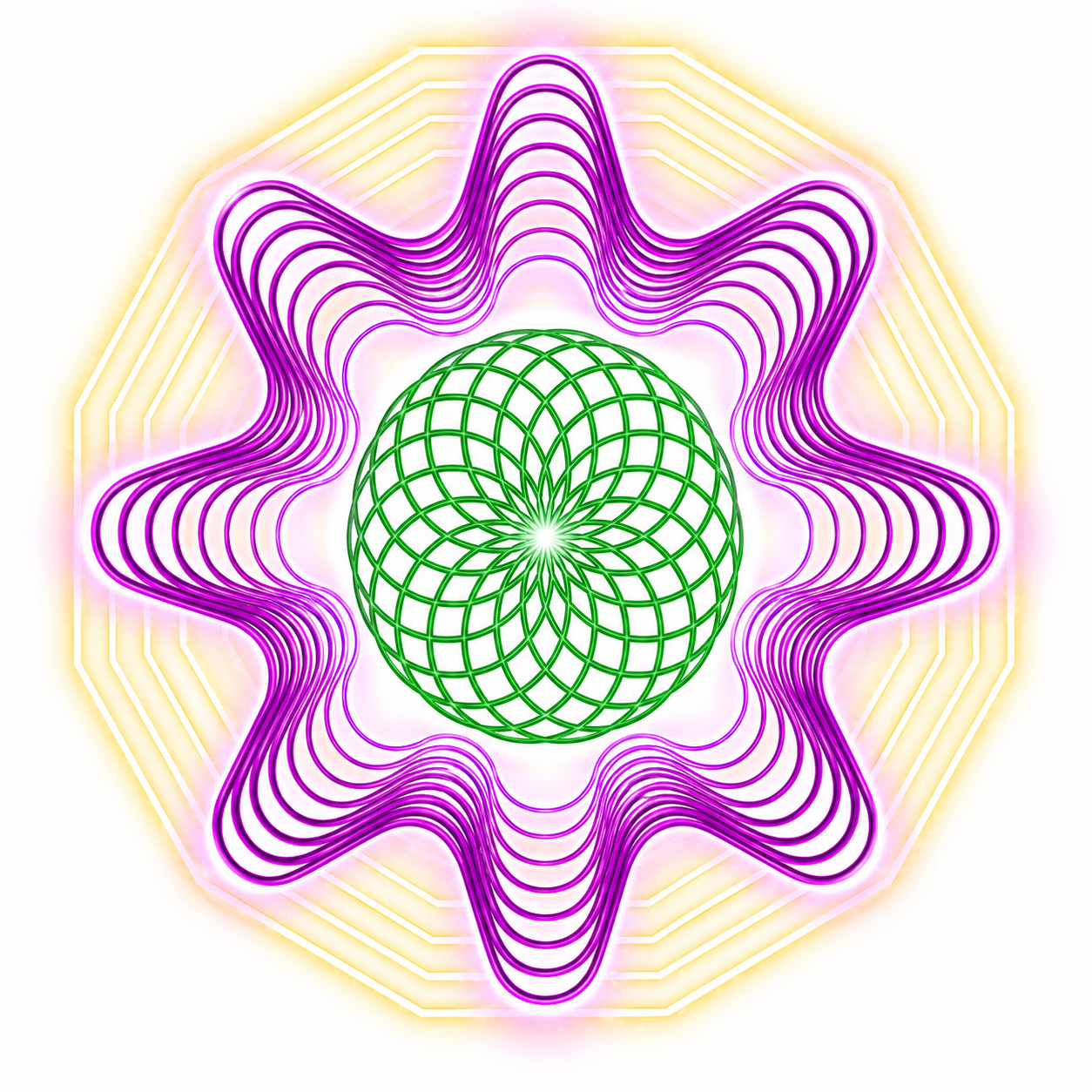
La caratteristica che distingue Cards Maker da un semplice generatore di geometrie radioniche è la cura con cui sono stati progettati i colori e le proporzioni del disegno. Non si tratta di una scelta estetica: i colori e la struttura geometrica seguono principi ispirati alla Biogeometria di Ibrahim Karim, con l’obiettivo di rendere ogni card un veicolo di qualità BG3.
La geometria BG3 nelle cards
Il contributo più originale di Cards Maker rispetto alla tradizione di Rae è l’integrazione dei principi della Biogeometria di Ibrahim Karim nel disegno delle card.
Come descritto nell’articolo dedicato alla Biogeometria su questo sito, la qualità BG3 è la firma dell’armonia secondo la scuola biogeometrica: tre componenti sottili — Verde Negativo Orizzontale, Armonica Superiore dell’Ultravioletto e Armonica Superiore dell’Oro — che quando presenti simultaneamente in una forma la rendono capace di introdurre un ordine armonizzante nel campo energetico.
I colori del disegno geometrico e la struttura stessa dei simboli nelle card di Cards Maker sono stati progettati seguendo questi principi. L’obiettivo è che ogni card prodotta dall’applicazione non sia soltanto la codifica corretta di una rate radionica, ma anche un oggetto che, per la propria qualità geometrica e cromatica, emette BG3 nel campo circostante.
Questo significa che le card di Cards Maker portano una doppia funzione: quella informazionale propria della tradizione di Rae, e quella armonizzante della Biogeometria. Le due qualità non si escludono, ma si potenziano a vicenda: la rate è codificata con precisione, e il campo nel quale la card viene collocata riceve al tempo stesso un’informazione specifica e una qualità di centratura.
Le cards come strumenti autonomi
Uno degli aspetti più interessanti delle card di Cards Maker è che possono essere utilizzate da sole, senza necessità di una macchina radionica.
Secondo i principi della Biogeometria, una forma che emette BG3 agisce per risonanza semplicemente per la propria presenza. Non ha bisogno di un circuito elettronico, di un amplificatore o di un supporto tecnico: la geometria parla direttamente al campo energetico con cui viene a contatto.
Nel lavoro pratico, una card di Cards Maker può essere:
- Posata sotto un bicchiere d’acqua per strutturarne informazionalmente il contenuto
- Tenuta vicino al corpo durante la meditazione o il riposo
- Collocata in un ambiente per contribuire alla qualità del campo
- Utilizzata come focus visivo per la visualizzazione e l’intenzione
- Inserita in una pila con altre cards per costruire un trattamento multiplo
- Portata su di sé come supporto discreto durante le attività quotidiane
In tutti i casi, è sempre consigliabile verificare la compatibilità della card con la persona mediante radiestesia, per assicurarsi che la qualità espressa dalla card sia adatta al soggetto e al momento.
La macchina fisica: la MGA-RAE di Malcolm Rae
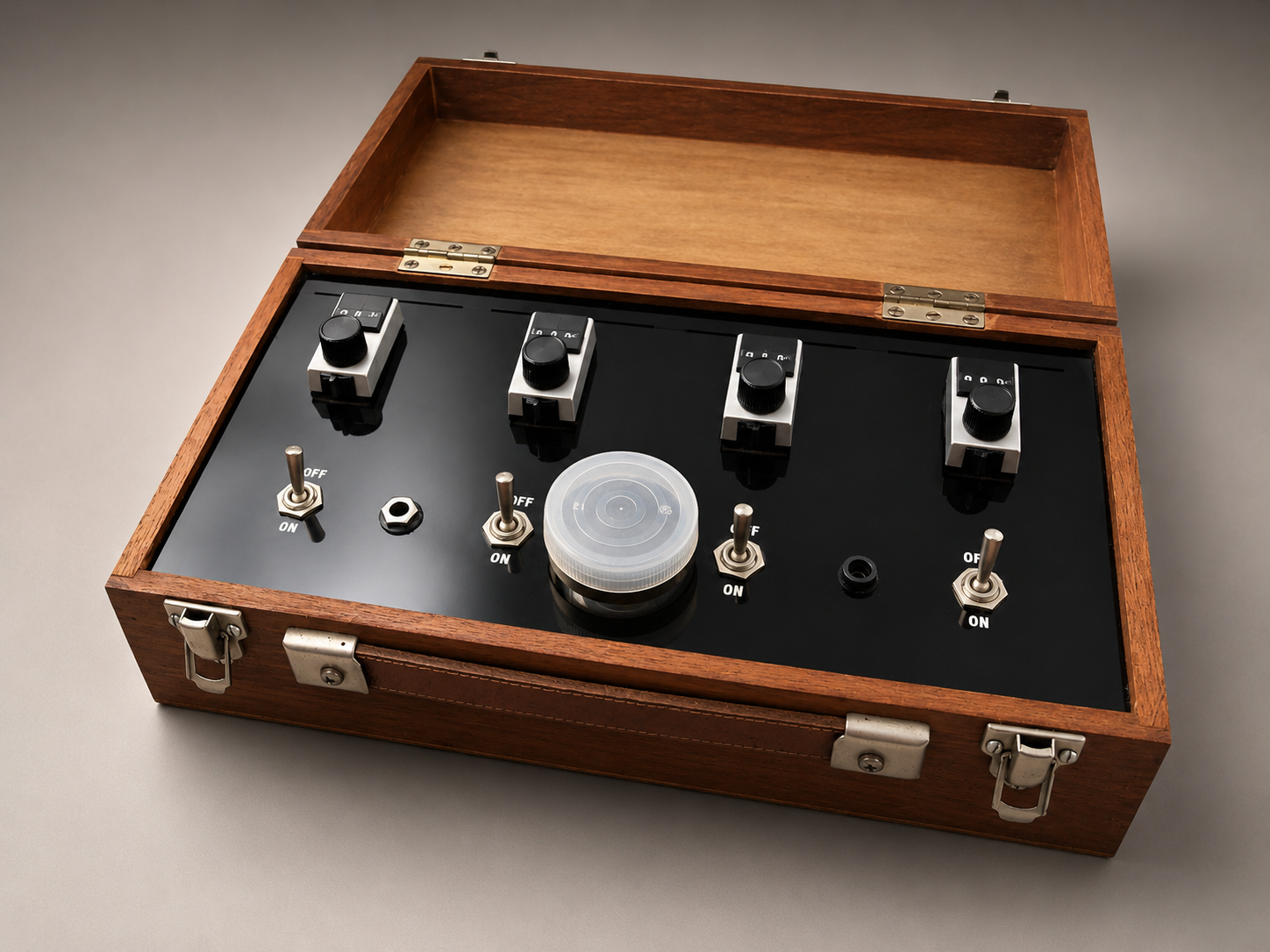
Per comprendere il sistema di Cards Maker nel suo pieno contesto, è utile conoscere la macchina fisica che Malcolm Rae aveva progettato: la MGA-RAE. Si tratta di uno strumento radionico fisico dotato di supporti specifici per l’inserimento delle card magneto-geometriche. La card, collocata nell’apposito alloggiamento, orienta il trattamento radionico dello strumento verso la qualità codificata nel suo disegno.
La MGA-RAE è ancora oggi uno strumento fisico apprezzato da molti praticanti, ma non sempre accessibile. Il simulatore digitale di Radionics for Life nasce proprio per rendere questo approccio disponibile in forma virtuale.
MGA-RAE Simulator: la macchina radionica virtuale
L’utilizzo ideale delle card di Cards Maker è in abbinamento al MGA-RAE Simulator, la macchina radionica virtuale di Radionics for Life ispirata alla MGA-RAE di Malcolm Rae.
Il simulatore riproduce in ambiente digitale la logica dello strumento originale: le card create con Cards Maker possono essere caricate nel simulatore, che permette di effettuare invii radionici con intenzione, testimone e rate combinate. Il flusso di lavoro è lo stesso del metodo tradizionale di Rae: si crea la card, si inserisce nel simulatore, si definisce il soggetto e l’intenzione, e si avvia il trattamento.
L’integrazione tra Cards Maker e MGA-RAE Simulator crea un sistema radionico digitale completo: la creazione e la personalizzazione delle card avviene con Cards Maker; la trasmissione del trattamento radionico avviene con il simulatore. I due strumenti sono complementari e pensati per lavorare insieme, replicando in forma digitale l’approccio originale di Malcolm Rae.
Cards Maker e MGA-RAE Simulator sono web app realizzate da Radionics for Life: nessuna installazione, si usano direttamente dal browser.
Accedi a Cards Maker e MGA-RAE Simulator →radionicsforlife.com/Site/software.html
Conclusione: geometria, informazione e armonia
Malcolm Rae ci ha lasciato una visione lungimirante: la geometria non è solo simbolo, è portatore attivo di informazione. Ogni cerchio, ogni linea tracciata secondo l’angolo giusto, diventa una firma nel campo sottile.
Cards Maker raccoglie questa eredità e la porta un passo avanti, unendo la precisione del sistema di Rae con la ricerca di Ibrahim Karim sulla qualità armonizzante BG3. Il risultato è uno strumento che parla due linguaggi: quello della radionica, con le sue rate e la sua logica informazionale; e quello della Biogeometria, con la sua attenzione alla qualità che ogni forma emette nell’ambiente.
Una card ben costruita non è soltanto un codice. È un ponte tra l’intenzione del praticante, l’informazione che si vuole trasmettere e il campo di chi riceve. E quando quella card porta anche la qualità BG3, diventa al tempo stesso messaggio e armonia.