Le origini: Derald Langham e il Circle Gardening
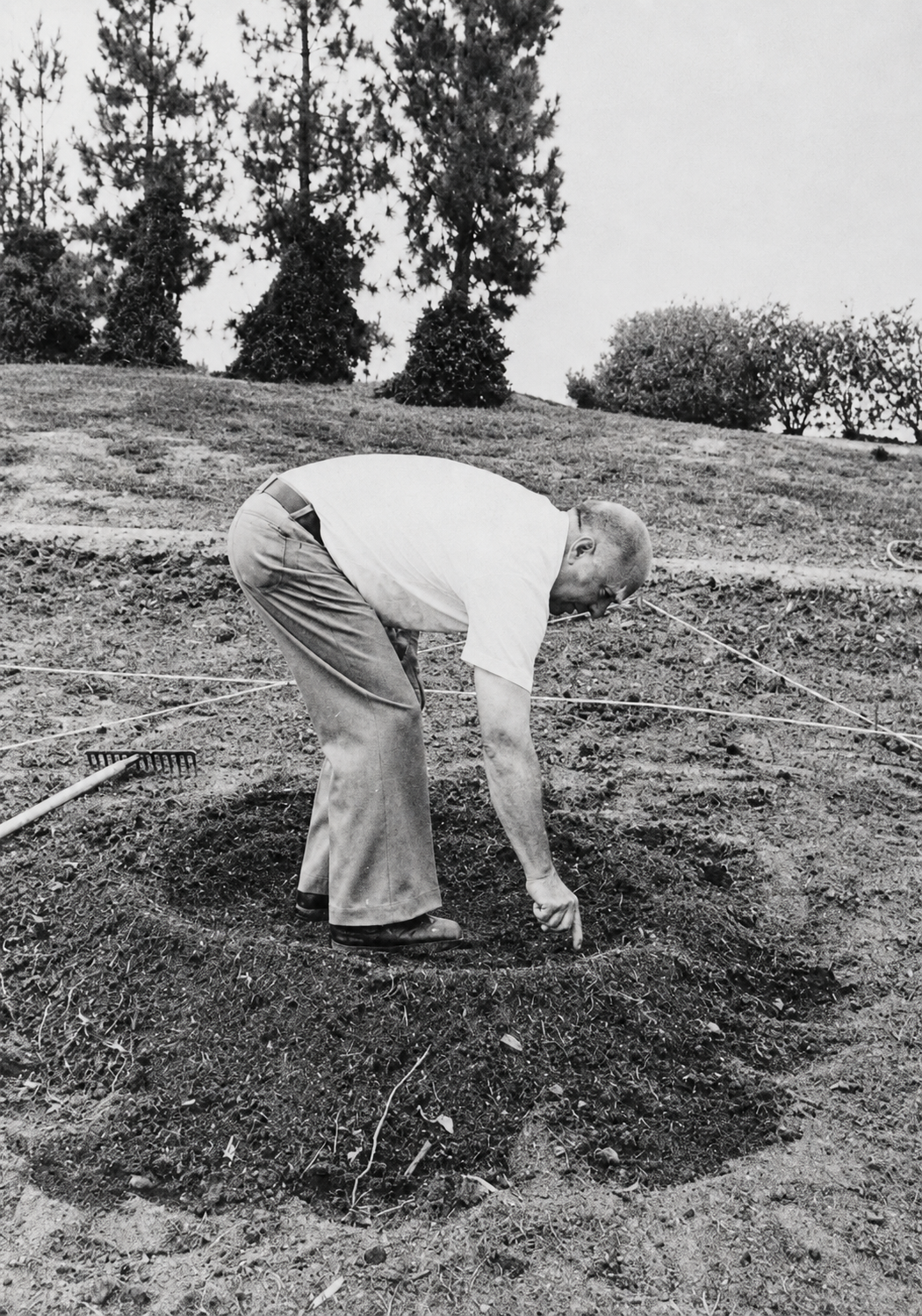
La Genesa nasce non come strumento esoterico, ma come scoperta di un genetista agricolo. Derald George Langham (1913–1991), americano, si formò in genetica alla Cornell University e dal 1947 operò in Venezuela, dove collaborò per anni con l’Instituto Agrario Nacional e con programmi di ricerca sostenuti dalla Rockefeller Foundation. Il suo compito principale era migliorare le varietà di sesamo coltivate nelle pianure venezuelane — un lavoro oscuro ma di grande impatto pratico, che lo avrebbe portato a essere ricordato come il «padre del sesamo» nell’emisfero occidentale, oltre a significativi contributi su mais e fagioli.
Il problema che Langham si trovò ad affrontare nei propri esperimenti era insieme banale e irritante: durante le intense piogge tropicali tipiche dei mesi umidi venezuelani, le diverse linee genetiche di sesamo che stava selezionando tendevano a incrociarsi involontariamente, contaminando le prove e rendendo inutili mesi di lavoro di selezione. La soluzione che trovò fu di disporre ciascuna varietà in coltivazioni circolari anziché nei consueti filari rettangolari, usando lo spazio tra un cerchio e l’altro come zona tampone naturale.
Accadde però qualcosa di inatteso: le piante coltivate nei cerchi crescevano meglio. Non di poco — la differenza era visibile e misurabile. Le piante sui bordi esterni dei cerchi risultavano più alte, più robuste, con maggiore produzione di semi. Le infestazioni di insetti calarono drasticamente. In alcuni esperimenti comparativi con parcelle rettangolari di controllo, i raccolti raddoppiarono.
Langham non si limitò a registrare l’anomalia: cercò di capirla. Ripeté le prove su mais e fagioli, ottenendo risultati analoghi. Descrisse l’effetto sistematicamente nel libro Circle Gardening (1978), che documenta le varianti del metodo — cerchi singoli, cerchi concentrici, composizioni di cerchi multipli — e i risultati ottenuti su diverse colture tropicali. Il principio di base che emersa dalle sue osservazioni era che la geometria circolare creava qualcosa che lui chiamò un «campo di crescita»: un’influenza sull’ambiente coltivato non riducibile ai soli fattori agronomici convenzionali come irrigazione, fertilità del suolo o varietà delle sementi.
Che cosa producesse questo effetto rimase per lui un problema aperto. Langham stesso non si sbilanciava su una spiegazione definitiva: osservava, documentava, e continuava a raccogliere dati. Nel corso degli anni ottenne risultati riproducibili anche in condizioni diverse, il che lo convinceva sempre più che l’effetto fosse reale e legato alla geometria in sé, indipendentemente dal tipo di suolo o dalla specie coltivata.
Dalla coltivazione circolare alla Genesa Crystal
Se il Circle Gardening lavorava con cerchi piatti bidimensionali tracciati sul suolo, Langham cominciò ad interrogarsi su ciò che avrebbe potuto accadere con una struttura tridimensionale capace di esprimere la stessa geometria circolare in tutti i piani dello spazio contemporaneamente. Da agronomo che aveva studiato embriologia vegetale, conosceva la simmetria sferica delle prime fasi di divisione cellulare — la sfera di otto cellule, la morula, la blastula — e notò una corrispondenza formale tra quella geometria e la struttura che andava elaborando.
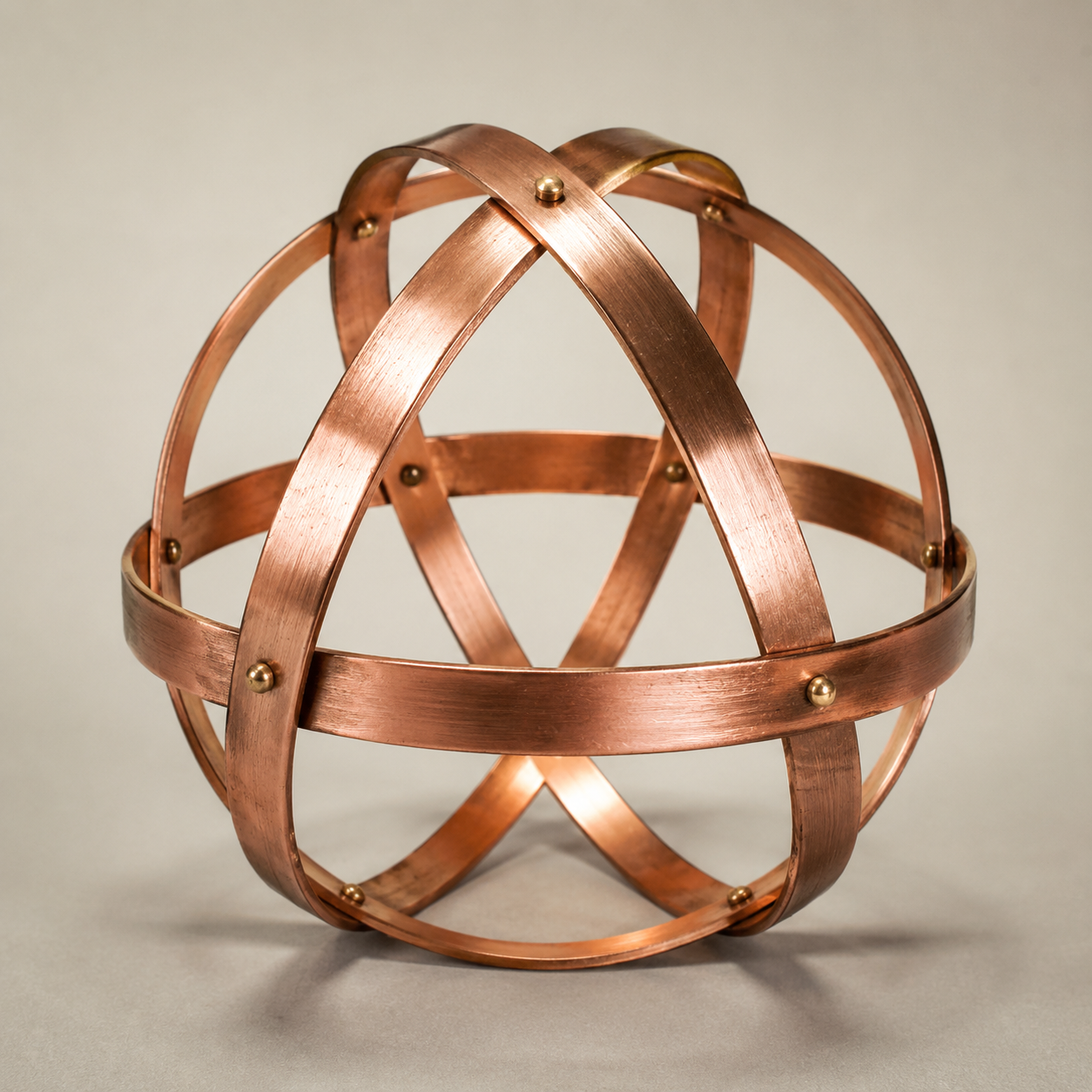
La soluzione prese forma in quattro cerchi grandi uguali intrecciati in modo che ciascuno sia perpendicolare agli altri tre, e che tutti passino attraverso un unico punto comune al centro. Questa configurazione genera spontaneamente una struttura che i matematici chiamano cubottaedro — o, nella terminologia di Buckminster Fuller che Langham conosceva, vettore equilibrio — composta da sei quadrati e otto triangoli equilateri. È la geometria del più denso impaccamento sferico: la figura in cui tutte le distanze dal centro ai vertici e ai punti medi degli spigoli sono uguali, e che Fuller descriveva come la forma geometrica di massimo equilibrio nello spazio.
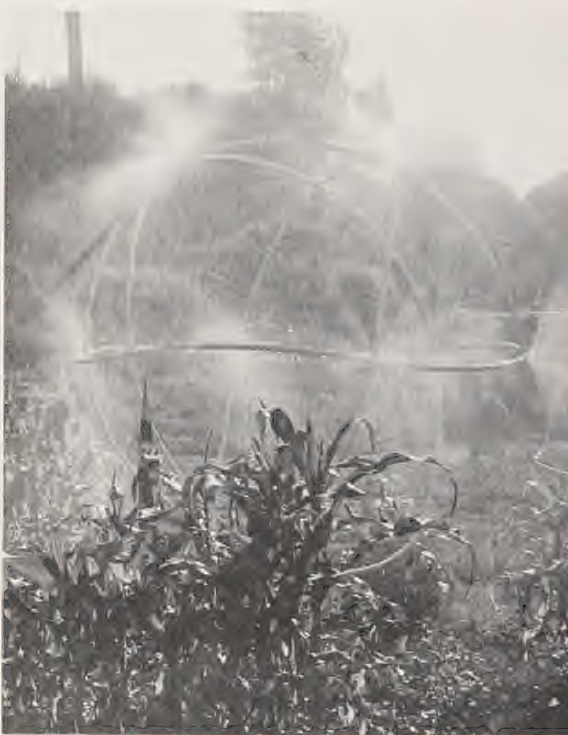
Langham chiamò questa forma Genesa, combinando «gene» — unità fondamentale dell’informazione biologica — e «SA», acronimo del continente sudamericano dove aveva condotto le sue ricerche. Costruì dapprima versioni di grandi dimensioni — telai di filo metallico del diametro di alcuni metri — e li colocò al centro di campi sperimentali, cercando di replicare in forma tridimensionale gli effetti già osservati con il Circle Gardening bidimensionale. I risultati che riportò furono coerenti con le osservazioni precedenti: crescita migliorata nelle colture circostanti, riduzione degli insetti dannosi, aumento qualitativo dei raccolti.
In seguito sviluppò anche versioni ridotte da tavolo — le Genesa Crystal — che presentava come oggetti di geometria simbolica con un campo energetico proprio, derivato direttamente dal principio agricolo che aveva osservato nei campi. Fondò la Genesa Foundation, tenne conferenze in Sud America, Nord America ed Europa, e arrivò a descrivere la Genesa come una sintesi simbolica non solo delle fasi di divisione cellulare, ma del principio geometrico che governa la vita nei suoi livelli più fondamentali. Restò attivo fino alla morte, nel 1991, a Yuma, in Arizona.
Un punto che vale la pena ribadire con chiarezza: l’uso originario — il cuore della scoperta di Langham — era agricolo. I grandi telai metallici nei campi di sesamo, mais e fagioli venezuelani erano lo strumento primario; la piccola Genesa Crystal da tavolo venne dopo, come derivazione simbolica e come tentativo di portare in forma domestica un principio che aveva dimostrato di funzionare in campo aperto. Questa distinzione non è secondaria: aiuta a leggere con occhio più critico la letteratura successiva, che ha talvolta capovolto le priorità, trattando l’uso agricolo come un’applicazione curiosa di uno strumento essenzialmente «energetico», quando è vero esattamente il contrario.
Dalla Genesa alla Pentasfera: un’evoluzione (soprattutto) italiana
La Pentasfera è una derivazione più recente della Genesa: dove quest’ultima utilizza quattro cerchi, la Pentasfera ne utilizza sei, generando una geometria ancora più articolata, con un maggior numero di intersezioni e facce. Alla struttura originaria si sono aggiunte nel tempo basi di forme diverse — triangolo, quadrato, pentagono — ciascuna caricata di un proprio significato simbolico nella letteratura più recente.
Una cosa che ho potuto verificare personalmente, confrontandomi con colleghi e ricercatori in diversi paesi, è che la diffusione di questi oggetti è straordinariamente concentrata in Italia. In Francia praticamente nessuno la conosce; in Svizzera non viene utilizzata; non ho trovato tracce di un uso comparabile altrove in Europa. È un fenomeno, insomma, che si è radicato e moltiplicato soprattutto nel nostro paese, complice probabilmente una vasta produzione editoriale e divulgativa che negli ultimi vent’anni ha accompagnato l’oggetto.
Cristalli, bigliettini e «attivazioni»: cosa dice la letteratura
Attorno alla Pentasfera è cresciuta negli anni una letteratura piuttosto ricca, che suggerisce di inserire cristalli al suo interno per «caricarli», di scrivere un bigliettino con un’intenzione e di compiere un rito di attivazione al momento dell’acquisto, accompagnato da una sorta di preghiera.
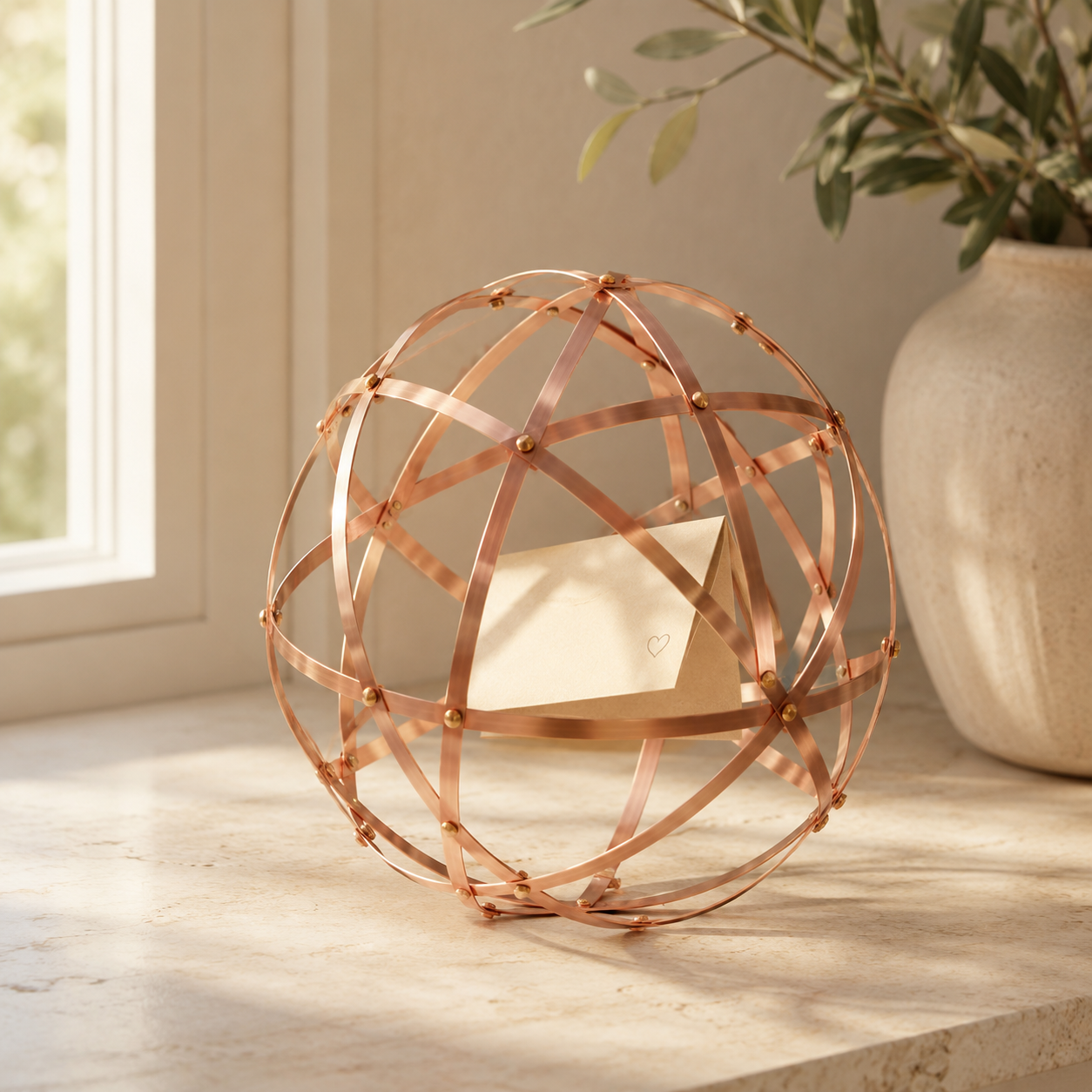
Personalmente l’ho fatto anch’io, anni fa, prima di iniziare a studiare seriamente l’oggetto. Ma più approfondivo la questione, più mi ponevo una domanda semplice: che relazione esiste tra questi rituali e l’uso per cui la Genesa era stata originariamente concepita? Le forme, soprattutto quelle sacre, producono indiscutibilmente delle onde di forma — questo è un dato che la radiestesia conosce bene. Ma da qui a una specifica funzione di «amplificazione di intenti» tramite cristalli o bigliettini, il passo non è automatico, e ho voluto verificarlo direttamente.
Le mie misurazioni: le onde di forma di Genesa e Pentasfera
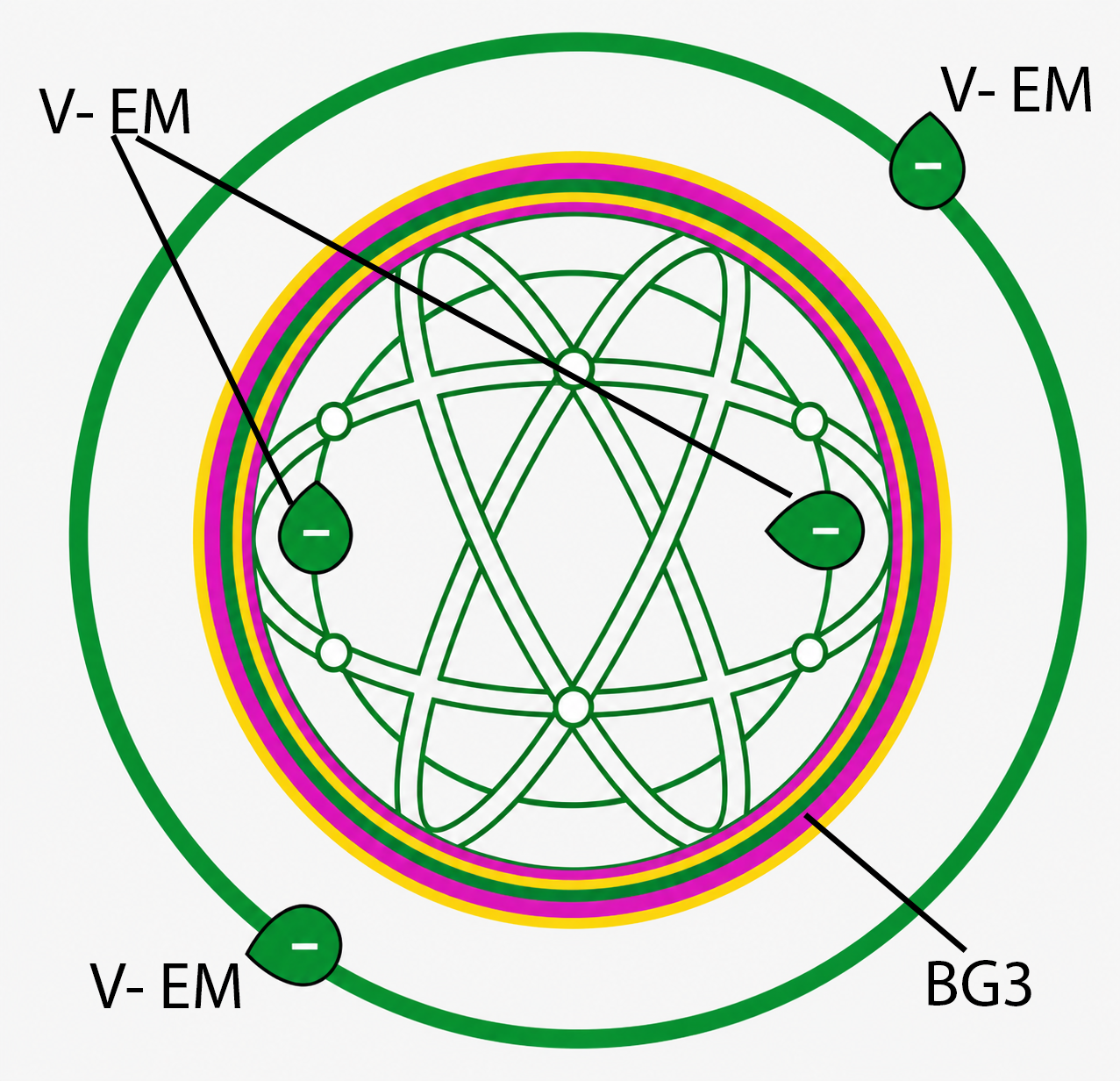
Per rispondere a questa domanda mi sono messa a misurare, con il pendolo, ciò che Genesa e Pentasfera producono realmente. Ho condiviso questi risultati in una conferenza sulle Biotracce, accompagnandoli con un diagramma di sintesi (riprodotto qui sotto).
Prima di entrare nei risultati, due premesse terminologiche un po’ più estese del solito, perché sono il linguaggio in cui le misurazioni sono espresse.
Il verde negativo: origini e struttura
Le onde di forma sono l’oggetto di studio di una branca della radiestesia nata in Francia negli anni ’30, grazie alle ricerche dei fisici Léon Chaumery e André de Bélizal. I due iniziarono le loro indagini osservando la piramide di Cheope e le sue radiazioni anomale, poi estesero l’indagine alla geometria dei solidi più semplici: sfere di legno, coni, tori. Scoprirono che ogni forma emette un campo di radiazioni sottili che dipende esclusivamente dalla geometria dell’oggetto, indipendentemente dal materiale di cui è fatto. Pubblicarono le loro ricerche in Essai de Radiesthésie Vibratoire (1940) e in Physique Micro-Vibratoire et Forces Invisibles (1943).
Tra le onde di forma individuate, la più nota e studiata è il verde negativo (V-), brevettato nel 1936. Il verde negativo è l’emissione caratteristica delle forme sferiche e di quelle che vi si avvicinano, come la Genesa. Si manifesta in due componenti distinte e perpendicolari tra loro:
- La componente elettrica, orientata verticalmente, rilevabile con gli strumenti calibrati per le onde di forma verticali.
- La componente magnetica, orientata orizzontalmente, rilevabile con gli strumenti calibrati per le onde di forma orizzontali.
Queste due componenti non si trovano nello stesso punto simultaneamente: si alternano a seconda della posizione rispetto alla forma. È un’alternanza analoga a quella del campo elettromagnetico attorno a un conduttore — da cui il termine «verde negativo elettromagnetico». Chaumery e de Bélizal consideravano il verde negativo puro potenzialmente destabilizzante se prolungato: la stessa piramide di Cheope, con la sua orientazione precisa, emette verde negativo in forma molto intensa, il che spiegherebbe perché molti sensitivi la descrivono come un luogo potente ma non necessariamente confortante per soggiorni prolungati.
Il BG3: equilibrio come qualità
Il BG3 appartiene a un sistema più recente, la BioGeometria, fondata negli anni ’70 dall’architetto egiziano Ibrahim Karim dopo aver incontrato il lavoro di Chaumery e de Bélizal. La sua innovazione principale fu l’identificazione di una qualità energetica di equilibrio — che chiamò BG3 — caratterizzata dalla compresenza simultanea di tre componenti: Oro (O+), Ultravioletto (UV) e Verde Negativo Orizzontale (V-H).
Queste tre componenti insieme, a differenza di ciascuna presa singolarmente, producono un effetto che Karim descrive come centrante, armonizzante e benefico per gli organismi viventi. Karim l’ha riscontrata nelle cupole delle chiese romaniche, nelle pietre scolpite dei templi egizi, nei punti di forza del paesaggio come le sorgenti sacre e i nodi delle reti telluriche. Nel suo lavoro di biogeometria applicata, ha documentato come sia possibile evocarla attraverso specifiche forme geometriche calibrate — ed è questa qualità che si trova sulla superficie della Genesa. Ne ho parlato più diffusamente nell’articolo dedicato alla Biogeometria e le Onde di Forma.
La procedura di misurazione
Ho effettuato le misurazioni in più sessioni su due esemplari: una Pentasfera di media grandezza e una Genesa Crystal di circa 23 cm di diametro. Ho utilizzato tre strumenti distinti:
- Un pendolo universale standard (tipo egiziano).
- Il pendolo verticale della biogeometria, calibrato sulla componente elettrica/verticale delle onde di forma.
- Il pendolo orizzontale della biogeometria, calibrato sulla componente magnetica/orizzontale.
La procedura è stata quella di avvicinarsi progressivamente alla struttura dall’esterno verso l’interno, registrando le risposte a distanze successive: 50 cm, 30 cm, 20 cm, 10 cm, sulla superficie metallica dei cerchi, e infine al centro della struttura. Le misurazioni sono state replicate in più sessioni a distanza di settimane, e i risultati sono rimasti coerenti nel tempo.
I risultati zona per zona
A 20 cm e oltre: nessun segnale rilevabile con gli strumenti utilizzati. L’oggetto non produce effetti percepibili a questa distanza: chi posiziona una Genesa Crystal sul lato opposto della stanza non riceve alcun campo misurabile.
Tra 20 cm e la superficie: il pendolo universale registra verde negativo. Separando le componenti con i pendoli specifici: la componente elettrica (verticale) è dominante sui lati dell’oggetto; la componente magnetica (orizzontale) è dominante sopra e sotto. Si tratta dell’alternanza tipica del verde negativo elettromagnetico, analoga a quella osservabile attorno a qualsiasi forma sferica.
Sulla superficie della struttura (±5 cm): il segnale cambia qualità in modo netto. Il pendolo universale si orienta verso una risonanza che corrisponde al BG3. Questo vale sia sulla superficie metallica dei cerchi, sia nei punti di intersezione, sia nello spazio immediatamente adiacente alle aste della struttura. È in questa fascia — sottile, di pochi centimetri — che si concentra la qualità energetica più interessante della Genesa.
All’interno della struttura: si ritorna al verde negativo elettromagnetico — la stessa qualità rilevata nell’avvicinarsi dall’esterno. Non si tratta di un campo «vuoto» o neutro: è un campo attivo, ma la sua qualità è quella del verde negativo, non del BG3.
Cosa significa per il bigliettino e i cristalli
Da questo quadro si trae una conclusione pratica importante: un cristallo, un bigliettino con un’intenzione o qualsiasi altro oggetto collocato al centro della Genesa si trova immerso in verde negativo elettromagnetico. Non in BG3 — che si trova esclusivamente sulla superficie metallica della struttura, in una fascia di pochi centimetri. La Genesa non amplifica gli intenti scrittuali, né «carica» i cristalli con una qualità armonizzante speciale: li espone a una radiazione di forma, che ha le proprie caratteristiche ma non quelle che la letteratura divulgativa tende ad attribuirle.
Questo non significa che la pratica del bigliettino non funzioni — ma se funziona, funziona in virtù dell’intento stesso, non della geometria che lo contiene. Come dico spesso: l’intento funziona altrettanto bene dentro una scarpa. È naturalmente un invito a verificare di persona: i risultati che ho ottenuto sono stati costanti nel tempo, ma ogni praticante è incoraggiato a ripetere la misurazione con i propri strumenti e a trarre le proprie conclusioni.
Una nota sulle dimensioni: tutte le misurazioni si riferiscono ai miei esemplari personali, di circa 23 cm di diametro. È plausibile che oggetti più grandi producano intensità ed estensioni diverse — sia verso l’esterno che verso l’interno — un aspetto che meriterebbe verifiche sistematiche.
Un’osservazione curiosa: la fiamma della candela
Un piccolo esperimento, che ho visto proporre online e che ho verificato personalmente: ponendo una candela accesa all’interno di una Genesa o di una Pentasfera, la fiamma — normalmente instabile e oscillante all’aperto — tende a restare ferma. È un effetto che si presta probabilmente anche a una spiegazione di fisica più ordinaria (la struttura stessa modifica i flussi d’aria), ma resta un piccolo segno visibile, oltre a essere semplicemente un oggetto molto bello da osservare. Per quanto riguarda le piante, l’osservazione empirica — la mia e quella di molti altri praticanti — è che ne traggano beneficio quando posizionate nelle vicinanze, in continuità con l’uso agricolo originario di Langham, il quale del resto aveva cominciato esattamente da lì.
Sacro non significa automaticamente benefico
C’è un punto su cui insisto sempre quando parlo di geometria sacra: la sacralità di una forma non implica automaticamente un effetto positivo per chi la frequenta. Le forme sacre producono onde di forma — questo è un fatto — ma la qualità di quell’energia va sempre verificata, non presunta.
Un esempio che cito spesso: misurando con il pendolo degli Arcangeli l’Abbazia di Mont Saint-Michel, in Francia — uno dei luoghi sacri più noti d’Europa — ho ottenuto una lettura di rosso elettrico. Non esattamente l’indicazione di un luogo in cui ci si sentirebbe di pernottare con serenità. È un richiamo a mantenere, anche di fronte a oggetti e luoghi dal forte valore simbolico, un approccio analitico: si misura, si verifica, e solo dopo si trae una conclusione.
In sintesi
Genesa e Pentasfera restano per me strumenti affascinanti, esteticamente perfetti e radicati in una storia reale — quella di un genetista che, osservando i propri campi di sesamo venezuelani, scoprì che la geometria circolare interagiva con la vita vegetale in modo misurabile e riproducibile, e da lì sviluppò una forma tridimensionale capace di esprimere lo stesso principio nello spazio. La letteratura più recente ha aggiunto loro significati e rituali che, a mio avviso, vanno presi con la giusta distanza critica, mentre le misurazioni dirette restano lo strumento più affidabile per capire davvero cosa questi oggetti producono, all’interno e attorno a sé.